
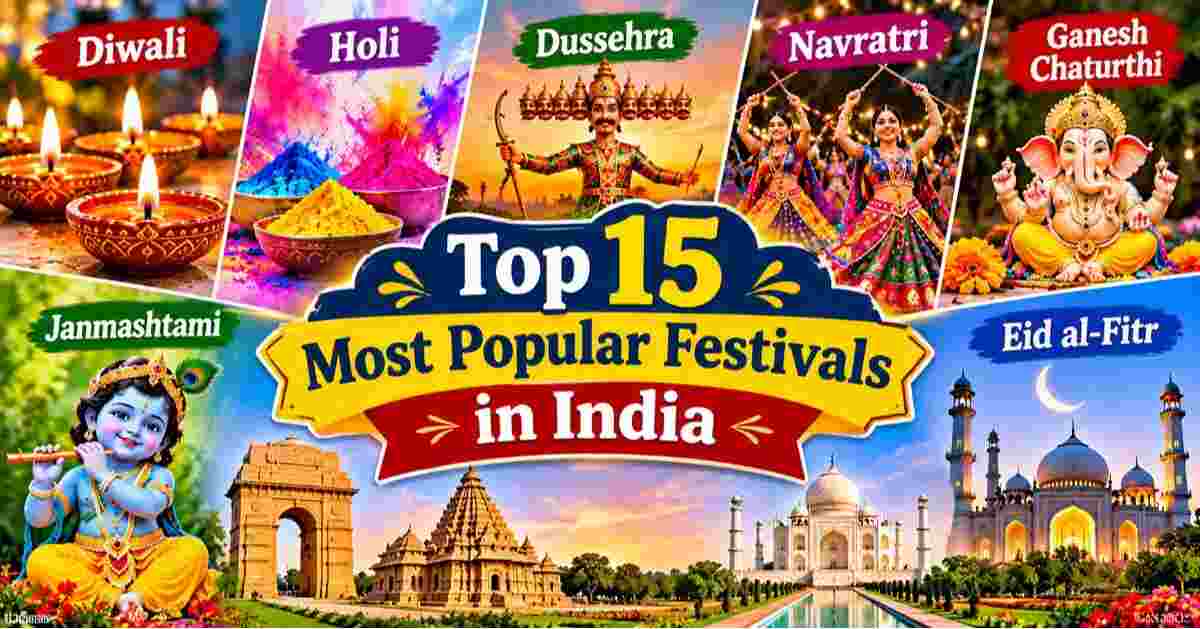
Introduction
India is known for its diverse festivals, rich traditions, and colorful celebrations. Indian festivals are more than just events; they bring people closer together and reflect the country’s cultural heritage, religious beliefs, and unity. Every festival has its own meaning, customs, and unique ways of celebration.
These celebrations play an important role in preserving Indian culture and traditions. From Diwali and Holi to Navratri, Eid, and Christmas, each festival brings happiness, strengthens relationships, and makes India a land of diverse celebrations.
Why Are Festivals Important in India?
Festivals are an important part of Indian culture and everyday life. Indian festivals bring people together, help preserve traditional customs, and create opportunities to celebrate with family and friends. They also teach valuable lessons about religion, culture, kindness, and unity.
Here are five important reasons why festivals are celebrated in India.
1. Preserving Culture and Traditions
Festivals help keep traditional customs, folk music, dance, clothing, rituals, and regional practices alive. Families pass these traditions to younger generations, helping preserve India’s rich cultural heritage.
2. Bringing Families and Communities Together
Festivals give people opportunities to meet relatives, visit friends, share meals, and participate in community celebrations. They strengthen relationships, spread happiness, and create lasting memories.
3. Sharing Religious and Spiritual Values
Many Indian festivals are connected with religious stories, historical events, and spiritual beliefs. People visit temples, mosques, churches, and gurdwaras to offer prayers, express gratitude, and celebrate their faith.
4. Celebrating Nature and Harvest Seasons
Several festivals celebrate agriculture, seasonal changes, and gratitude for nature. Pongal, Baisakhi, Onam, and Makar Sankranti highlight harvest traditions and recognize the importance of farming in Indian life.
5. Spreading Happiness and Kindness
Exchanging gifts, preparing traditional dishes, helping people in need, and sharing happiness are important parts of many celebrations. Indian festivals encourage generosity, respect, kindness, and togetherness.
Top 15 Most Popular Festivals in India
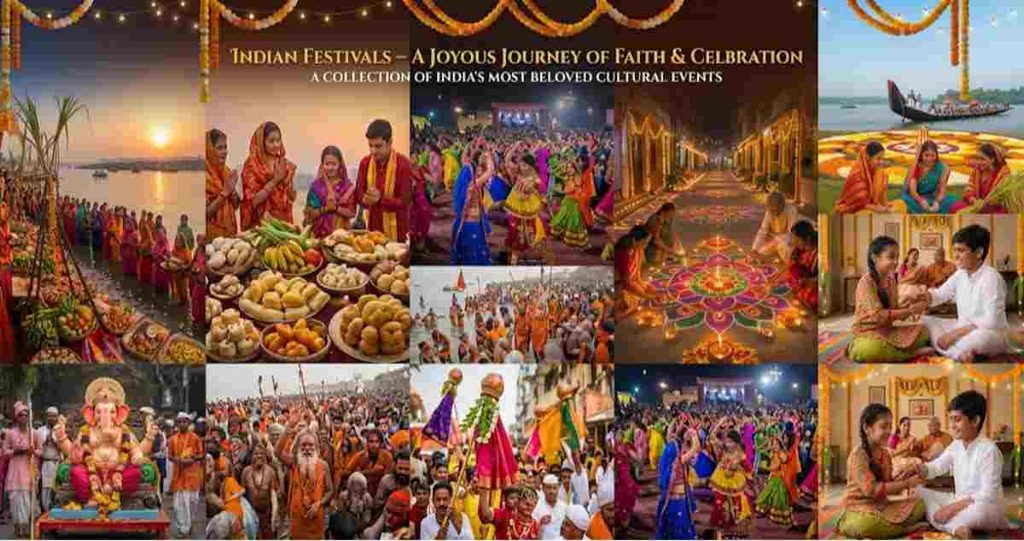
Indian festivals are celebrated in different ways depending on local customs, religious beliefs, and regional traditions. Here are 15 famous celebrations that represent India’s cultural diversity.
1. Diwali – The Festival of Lights
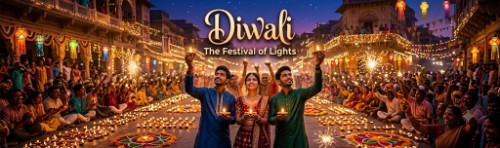
Diwali, also known as Deepavali, is one of India’s most widely celebrated festivals. It is commonly associated with Lord Rama’s return to Ayodhya after 14 years of exile and his victory over Ravana. People light oil lamps (diyas), decorate their homes with colourful rangoli, and worship Goddess Lakshmi and Lord Ganesha for prosperity and good fortune. In West Bengal and some eastern regions, Kali Puja is also an important part of the celebrations. Families exchange gifts, prepare traditional sweets, and illuminate their homes. Diwali traditions differ across regions, reflecting India’s diverse religious and cultural heritage.
2. Holi – The Festival of Colors
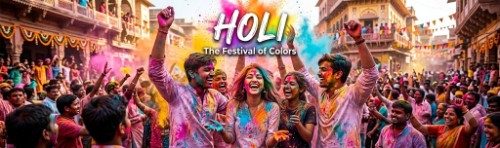
Holi is a vibrant spring festival celebrated with colours, music, and traditional festivities. Its religious significance is connected to the story of Prahlad and Holika, which represents the victory of faith over evil. Celebrations begin with Holika Dahan, when communities gather around a bonfire on the night before Holi. The ritual recalls how Holika was burned while Prahlad survived through his devotion to Lord Vishnu. The following day, people play with colourful gulal, enjoy water colours, and share traditional sweets such as gujiya. In places like Mathura, Vrindavan, and Barsana, Holi is especially famous for its unique local celebrations.
3. Navratri – The Festival of Nine Nights
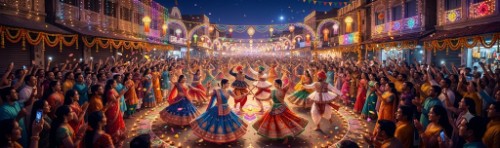
Navratri is a major Hindu festival dedicated to Goddess Durga and her nine forms. Celebrated over nine nights and ten days, it includes prayers, fasting, temple visits, and traditional dance performances. Gujarat is particularly famous for its Garba and Dandiya Raas, where thousands of people gather in colourful traditional outfits to dance around decorated spaces to devotional music. In West Bengal, the same festive period is associated with Durga Puja and elaborate pandal celebrations. The festival highlights the different ways communities honour Goddess Durga across India.
4. Dussehra – The Victory of Good Over Evil
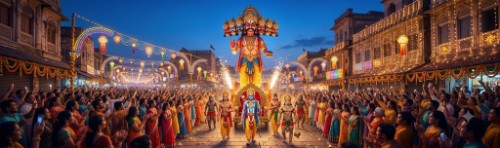
Dussehra, also known as Vijayadashami, is celebrated on the tenth day after Navratri. The festival is associated with two important stories: Lord Rama’s victory over Ravana and Goddess Durga’s victory over the demon Mahishasura. In North India, people organise Ramlila performances that portray episodes from the Ramayana, followed by the burning of large Ravana, Meghnad, and Kumbhkaran effigies. In West Bengal, Vijayadashami marks the conclusion of Durga Puja, when devotees bid farewell to Goddess Durga through immersion ceremonies. In parts of South India, the day is also considered auspicious for beginning education and new activities.
5. Ganesh Chaturthi – The Festival of Lord Ganesha
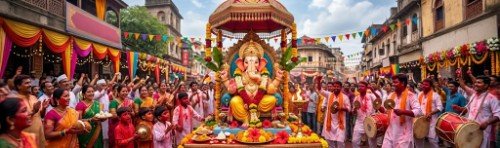
Ganesh Chaturthi celebrates the birth of Lord Ganesha, the Hindu deity associated with wisdom, knowledge, and new beginnings. The festival is especially popular in Maharashtra, where homes and public pandals welcome beautifully decorated Ganesha idols. Devotees offer flowers, perform aarti, sing devotional songs, and prepare modak, a sweet traditionally associated with Lord Ganesha. Celebrations continue for different durations, often ending with Anant Chaturdashi. During Ganesh Visarjan, idols are carried through colourful processions before being immersed in water, symbolising the cycle of creation and the deity’s return to his divine abode.
6. Janmashtami – The Birth of Lord Krishna
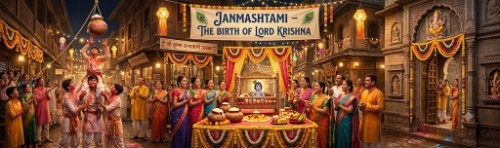
Janmashtami celebrates the birth of Lord Krishna, who is believed to have been born at midnight in Mathura. Devotees observe fasting, decorate Krishna temples, sing bhajans, and participate in midnight prayers marking his birth. One of the most exciting traditions is Dahi Handi, especially popular in Maharashtra. Groups known as Govindas form human pyramids to break a hanging pot filled with curd, butter, and other treats. This activity recreates stories of Krishna’s childhood, when he playfully stole butter with his friends. In Mathura and Vrindavan, the celebrations include special temple decorations, devotional performances, and Krishna Leela presentations.
7. Raksha Bandhan – Celebrating the Bond Between Siblings
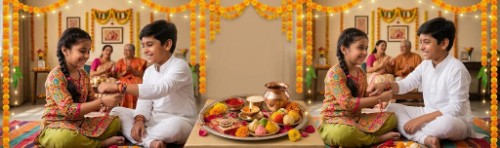
Raksha Bandhan is a traditional Indian festival that celebrates the affection and lifelong connection between siblings. Sisters tie a decorative thread called Rakhi on their brothers’ wrists as a symbol of love, good wishes, and mutual care. Brothers and sisters exchange gifts and express their commitment to supporting one another through different stages of life. Families often prepare festive meals and traditional sweets for the occasion. Although the festival is commonly associated with brother-sister relationships, its broader message is about affection, respect, and meaningful family bonds.
8. Eid al-Fitr – The Festival After Ramadan
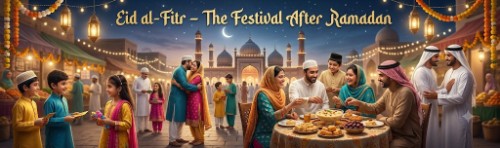
Eid al-Fitr is an important Islamic festival celebrated after the completion of Ramadan, a month dedicated to fasting, prayer, reflection, and self-discipline. The festival begins with special congregational Eid prayers, where Muslims gather at mosques and open prayer grounds. Before the prayer, Muslims give Zakat al-Fitr, a form of charity intended to help people in need participate in the celebrations. Homes are prepared for guests, people wear new or special clothes, and families share festive dishes such as sheer khurma and biryani. The occasion highlights generosity, gratitude, and the importance of helping others.
9. Christmas – Celebrating the Birth of Jesus Christ
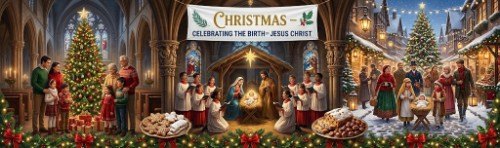
Christmas is celebrated on December 25 by Christians around the world to commemorate the birth of Jesus Christ. Churches hold special midnight and Christmas Day services featuring prayers, hymns, and readings about the birth of Jesus. Homes and public spaces are decorated with Christmas trees, stars, nativity scenes, and colourful lights. Carol singing, community gatherings, charity activities, and gift exchanges are popular traditions. In Goa and several parts of Northeast India, Christmas is celebrated with distinctive local foods, church festivities, and community events. Traditional Christmas cakes and festive meals are also an important part of the occasion.
10. Durga Puja – Worship of Goddess Durga
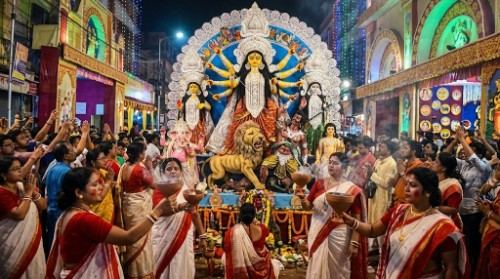
Durga Puja is one of the biggest cultural and religious celebrations in West Bengal, particularly in Kolkata. It honours Goddess Durga’s victory over Mahishasura and traditionally begins with Mahalaya, which marks the arrival of the goddess and the start of the festive season. Artists spend months creating elaborate pandals and beautifully crafted Durga idols, making the festival famous for its creativity and craftsmanship. Maha Ashtami and Maha Navami are among the most significant days, featuring special prayers and rituals. On Vijayadashami, devotees perform Sindoor Khela in many Bengali communities and bid farewell to the goddess through Durga Visarjan.
11. Makar Sankranti – The Festival of Harvest and Seasonal Change
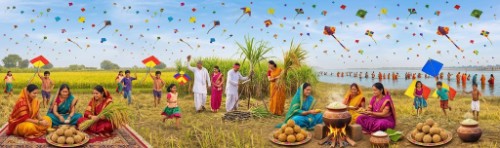
Makar Sankranti marks the Sun’s transition into the zodiac sign Capricorn (Makara) and the beginning of its northward journey, known as Uttarayana. In Gujarat, it is popularly celebrated as Uttarayan, when rooftops fill with people flying colourful kites and taking part in friendly kite-flying competitions. Traditional foods include undhiyu, chikki, and sweets made with sesame seeds and jaggery. In other parts of India, the festival is celebrated under different names, including Pongal in Tamil Nadu and Magh Bihu in Assam. These celebrations are closely connected with agricultural cycles, seasonal changes, and harvest traditions.
12. Pongal – The Harvest Festival of Tamil Nadu
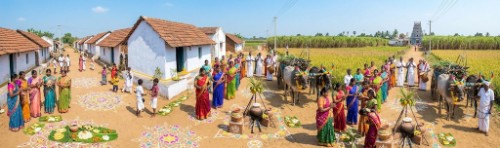
Pongal is a major harvest festival of Tamil Nadu, celebrated to express gratitude to the Sun, nature, cattle, and farmers. Its four days each have a distinct purpose. Bhogi Pongal involves cleaning homes and welcoming fresh beginnings. Thai Pongal is the main celebration, when families prepare a sweet dish using newly harvested rice, milk, and jaggery, traditionally allowing it to boil over as a sign of abundance. Mattu Pongal honours cattle for their contribution to agriculture, while Kaanum Pongal is dedicated to family visits and social gatherings. Colourful kolam designs decorate entrances, and traditional celebrations bring farming communities together.
13. Onam – The Famous Festival of Kerala
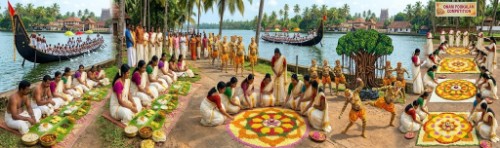
Onam is Kerala’s famous harvest festival associated with the legendary King Mahabali. According to local tradition, Mahabali visits Kerala during Onam to see his people, making the festival a symbol of prosperity and equality. Homes are decorated with colourful floral arrangements called Pookalam, created using fresh flower petals. One of the highlights is Onam Sadya, a grand vegetarian feast served on banana leaves with several traditional dishes. Kerala’s famous Vallam Kali, or snake boat races, attract large crowds, while traditional dances such as Thiruvathira and Pulikali add to the celebrations. Onam showcases the state’s distinctive food, art, and cultural traditions.
14. Baisakhi – The Harvest Festival of Punjab
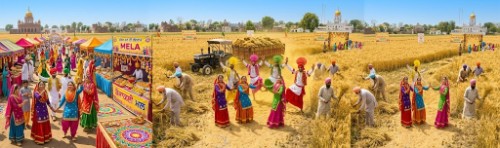
Baisakhi is an important spring harvest festival celebrated mainly in Punjab, marking the harvesting of the rabi crops. It also holds deep historical significance for Sikhs because Guru Gobind Singh Ji established the Khalsa Panth in 1699 at Anandpur Sahib on this occasion. Devotees visit gurdwaras, attend religious gatherings, and participate in processions known as Nagar Kirtan. Community kitchens serve Langar, providing free meals to everyone regardless of background. Traditional Bhangra and Gidda performances, Punjabi music, and village fairs are also popular features of the celebrations.
15. Chhath Puja – Worship of the Sun God
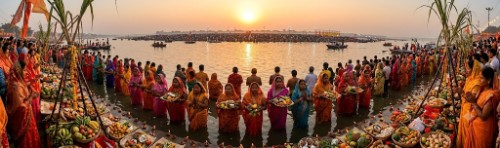
Chhath Puja is an ancient Hindu festival dedicated to the Sun God and Chhathi Maiya, particularly popular in Bihar, Jharkhand, and eastern Uttar Pradesh. Unlike many other festivals, its central rituals take place near rivers, ponds, and other water bodies. Devotees follow strict fasting practices and offer Arghya, or water offerings, to both the setting and rising Sun. Prayers to the setting Sun express gratitude for life’s energy, while worshipping the rising Sun symbolises renewal and new beginnings. Traditional offerings include thekua, fruits, and sugarcane. The festival is known for its disciplined rituals, devotion, and deep connection with nature.
Famous Cultural and Regional Festivals of India
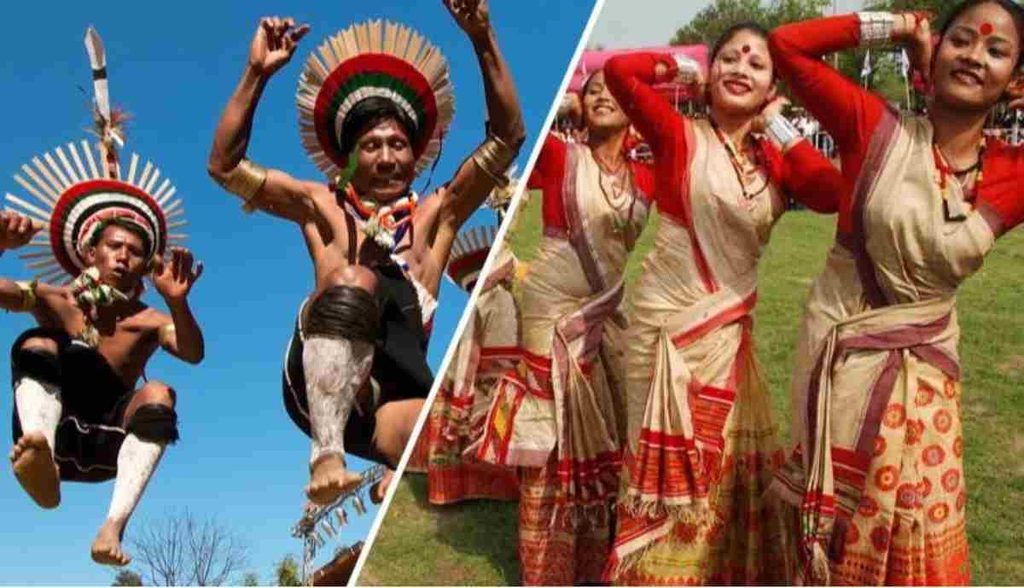
Some famous regional festivals include:
Apart from major festivals, India celebrates many unique regional festivals and cultural fairs that showcase its local traditions, art, and heritage. Here are six famous examples.
1. Bihu – Assam
Bihu is a major Assamese festival celebrated three times a year: Rongali Bihu (April), Kongali Bihu (October), and Bhogali Bihu (January). It is associated with agriculture, folk dances, traditional music, and harvest celebrations.
2. Hornbill Festival – Nagaland
Held from December 1 to 10, the Hornbill Festival showcases Nagaland’s tribal heritage through traditional dances, folk music, handicrafts, local food, and cultural performances.
3. Losar – Ladakh
Losar is the traditional Tibetan New Year, usually celebrated in December in Ladakh. People visit monasteries, offer prayers, decorate homes, perform traditional dances, and enjoy festive meals.
4. Pushkar Camel Fair – Rajasthan
The Pushkar Camel Fair is a famous traditional fair held in October or November. It features camel trading, folk performances, livestock competitions, local markets, and Rajasthani cultural activities.
5. Thrissur Pooram – Kerala
Celebrated in April or May, Thrissur Pooram is famous for decorated elephants, colourful umbrellas, grand processions, and traditional Chenda Melam percussion performances.
6. Rath Yatra – Odisha
Rath Yatra is an important religious festival held in Puri during June or July. Devotees pull huge decorated chariots carrying Lord Jagannath, Lord Balabhadra, and Goddess Subhadra through the streets.
Traditional Foods and Customs During Indian Festivals
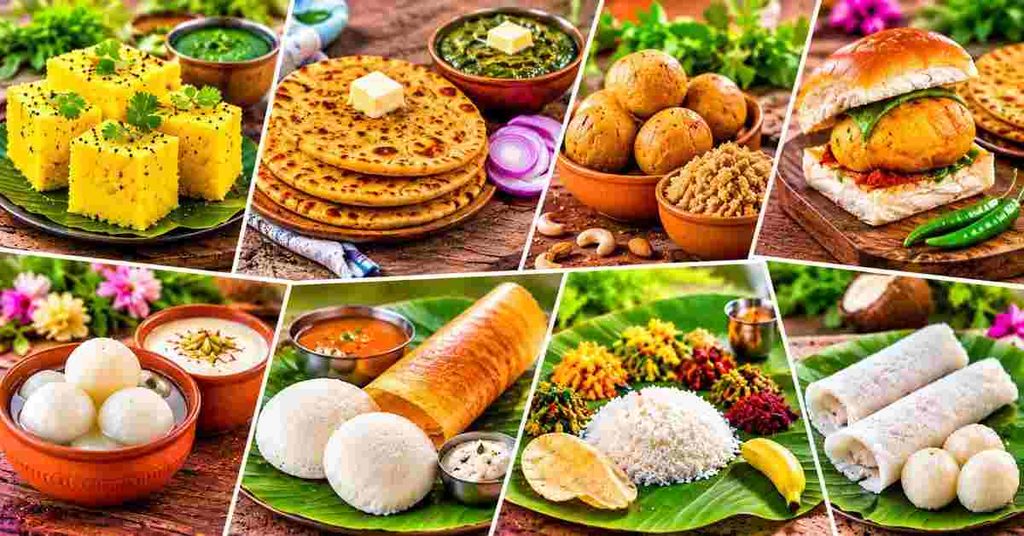
Food is one of the most enjoyable parts of Indian festivals. Every region has its own traditional dishes, sweets, and special meals prepared during celebrations.
Some popular festival foods include:
| Festival | Traditional Foods and Sweets |
|---|---|
| Diwali | Ladoo, chakli, barfi, and regional sweets |
| Holi | Gujiya and thandai |
| Eid al-Fitr | Sheer khurma and biryani |
| Christmas | Christmas cakes, cookies, and festive meals |
| Ganesh Chaturthi | Modak, especially popular in Maharashtra |
| Pongal | Sweet Pongal made with rice, milk, and jaggery |
| Onam | Onam Sadya, a traditional vegetarian feast |
| Makar Sankranti | Tilgul, chikki, and sesame-jaggery sweets |
Apart from food, people celebrate through traditional clothing, home decorations, religious rituals, folk dances, music, gift exchanges, and community gatherings.
These customs make every festival unique and help preserve regional food traditions.
When Are Major Festivals Celebrated in India?
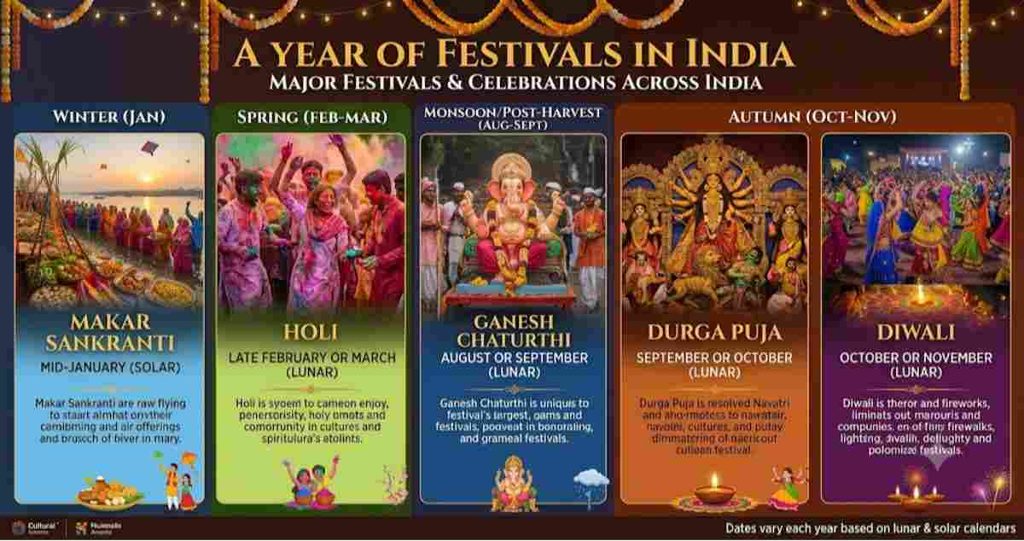
Indian festivals are celebrated throughout the year. Some follow fixed calendar dates, while others depend on lunar calendars, religious traditions, and regional customs.
The following table shows the usual months in which major Indian festivals are celebrated.
| Festival | Usual Celebration Period |
|---|---|
| Lohri | January |
| Makar Sankranti | January |
| Pongal | January |
| Holi | February or March |
| Baisakhi | April |
| Rongali Bihu | April |
| Eid al-Fitr | Varies every year |
| Rath Yatra | June or July |
| Raksha Bandhan | July or August |
| Janmashtami | August or September |
| Ganesh Chaturthi | August or September |
| Onam | August or September |
| Navratri | September or October |
| Durga Puja | September or October |
| Dussehra | September or October |
| Diwali | October or November |
| Chhath Puja | October or November |
| Christmas | December 25 |
Tips for Celebrating Festivals Safely and Responsibly
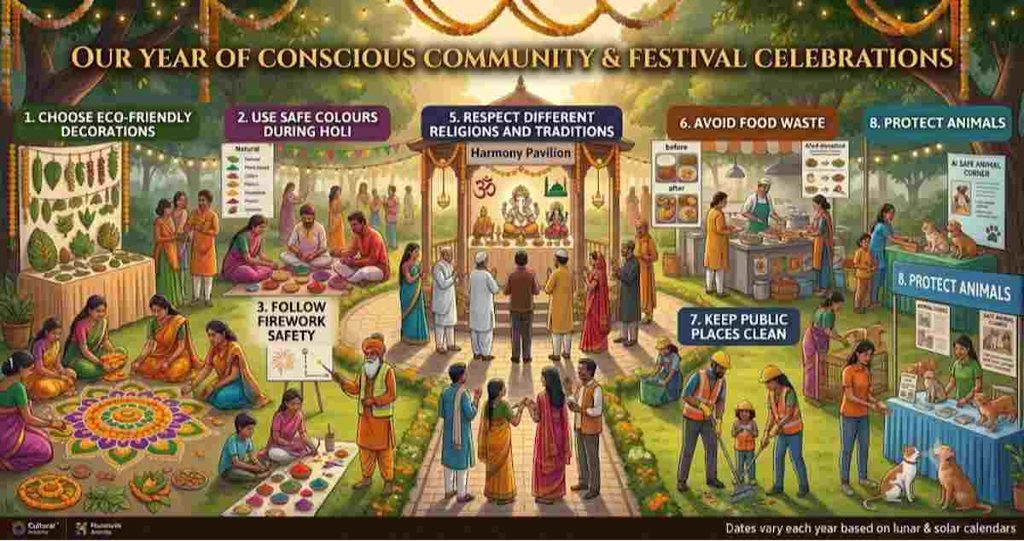
Festivals are a time for happiness and togetherness. Celebrating responsibly helps protect people, animals, and the environment. Here are eight simple ways to enjoy festivals safely.
1. Choose Eco-Friendly Decorations
Use reusable decorations, fresh flowers, natural materials, and energy-efficient lights to reduce waste.
2. Use Safe Colours During Holi
Choose skin-friendly colours, avoid contact with the eyes, and respect people who do not wish to play Holi.
3. Follow Firework Safety
Keep a safe distance from fireworks, supervise children, and follow local safety guidelines. Avoid lighting fireworks near flammable materials.
4. Reduce Plastic Waste
Avoid single-use plastic plates, cups, and decorations. Choose reusable or biodegradable alternatives.
5. Respect Different Religions and Traditions
Respect different religious beliefs, cultural customs, and ways of celebrating. Be considerate of everyone in your community.
6. Avoid Food Waste
Prepare food according to your needs and share extra meals with people who may need them.
7. Keep Public Places Clean
Dispose of waste properly and help keep streets, parks, temples, and other public places clean.
8. Protect Animals
Avoid loud fireworks near pets and street animals. Provide them with a quiet and comfortable environment during celebrations.
Final Thoughts
Indian festivals are more than just celebrations. They reflect the country’s rich history, cultural heritage, religious beliefs, and traditions while bringing families and communities together.
From the lights of Diwali and the colours of Holi to the Garba of Navratri, Onam Sadya, and the kite celebrations of Uttarayan, every festival has its own beauty and significance.
These celebrations make India’s culture unique and strengthen the spirit of unity in diversity. Understanding and respecting different festivals helps us appreciate the traditions and cultural richness of India.
Frequently Asked Questions About Indian Festivals
| No. | Frequently Asked Questions | Answers |
|---|---|---|
| 1 | What are the most popular festivals in India? | Some of the most popular Indian festivals include Diwali, Holi, Navratri, Dussehra, Ganesh Chaturthi, Durga Puja, Eid, Christmas, Onam, and Makar Sankranti. |
| 2 | Why is India called the Land of Festivals? | India is called the Land of Festivals because people celebrate many religious, cultural, and seasonal festivals throughout the year. These festivals reflect the country’s diversity and traditions. |
| 3 | Which is the biggest festival in India? | Diwali is considered one of the biggest and most widely celebrated festivals in India. |
| 4 | Which festival is known as the Festival of Lights? | Diwali is known as the Festival of Lights because people decorate their homes with diyas, candles, and lights. |
| 5 | Which festival is known as the Festival of Colors? | Holi is known as the Festival of Colors, celebrated with colored powders, water, music, and joy. |
| 6 | Which Indian festival is famous for Garba and Dandiya? | Navratri is famous for traditional Garba and Dandiya dances, especially in Gujarat. |
| 7 | What are the main religious festivals in India? | Major religious festivals in India include Diwali, Holi, Eid, Christmas, Guru Nanak Jayanti, Durga Puja, and Ganesh Chaturthi. |
| 8 | Which festivals are celebrated during the harvest season in India? | Baisakhi, Pongal, Onam, and Makar Sankranti are popular harvest festivals celebrated in different parts of India. |
| 9 | Which festival celebrates the bond between brothers and sisters? | Raksha Bandhan celebrates the special bond of love and protection between brothers and sisters. |
| 10 | When is Ganesh Chaturthi celebrated? | Ganesh Chaturthi is celebrated during the Hindu month of Bhadrapada, usually in August or September. |
| 11 | Which festival is mainly celebrated in Kerala? | Onam is Kerala’s most famous festival, celebrated with Pookalam, traditional meals, boat races, and cultural events. |
| 12 | What is the importance of Dussehra? | Dussehra celebrates the victory of good over evil and marks Lord Rama’s victory over Ravana. |
| 13 | Which Indian festivals are celebrated in winter? | Diwali, Christmas, Lohri, Makar Sankranti, and Pongal are among the festivals celebrated during the winter season. |
| 14 | How do festivals promote unity in India? | Indian festivals bring people together through celebrations, family gatherings, traditional food, music, and cultural activities. |
| 15 | How can we celebrate Indian festivals safely? | Celebrate Indian festivals responsibly by avoiding harmful fireworks, using eco-friendly decorations, keeping public places clean, and respecting everyone’s traditions. |