
Introduction
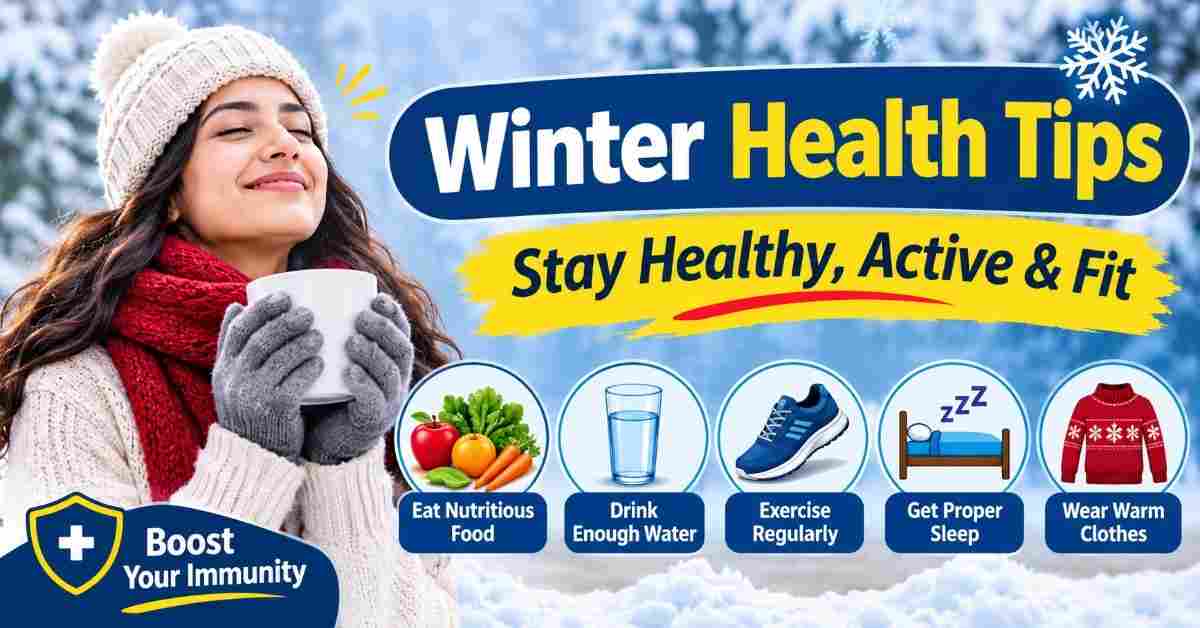
Winter can affect your health through cold weather, seasonal illnesses, dry skin, and low energy. With healthy food, enough sleep, regular exercise, and good daily habits, you can stay healthy and active. Explore these 20 useful winter health tips to protect your physical and mental health throughout the season.
Why Is It Important to Take Care of Your Health in Winter?
During winter, cold temperatures, shorter daylight hours, and changes in daily routines can affect your overall health. People may spend more time indoors, exercise less, and experience seasonal infections.
Taking care of your health during winter helps you:
- Support your immune system.
- Maintain energy and physical fitness.
- Reduce the risk of seasonal infections.
- Protect your skin from dryness.
- Maintain a healthy sleep routine.
- Support your mental well-being.
Following simple healthy habits can help you enjoy winter comfortably.
20 Best Winter Health Tips to Stay HealthyHere are 20 simple winter health tips to help you stay healthy, active, and comfortable during cold weather.
1.Wear Warm Clothes: Wear jackets, sweaters, socks, and gloves to protect your body from cold temperatures.
2.Drink Enough Water: Drink water regularly, even when you do not feel thirsty. You can also enjoy warm water and healthy drinks to maintain hydration.
3.Eat Healthy and Seasonal Foods: Include fresh fruits, vegetables, whole grains, and seasonal foods in your daily diet.
4.Get Enough Sleep: Try to sleep for 7–9 hours every night to help your body rest and recover.
5.Exercise Regularly: Stay active with walking, stretching, yoga, or indoor workouts.
6.Wash Your Hands: Wash your hands regularly with soap and water to reduce the spread of germs.
7.Protect Your Skin: Use moisturizer and lip balm to prevent dry and cracked skin.
8.Get Some Sunlight: Spend a little time outdoors during daylight when the weather is comfortable.
9.Keep Your Home Clean: Clean your living space regularly to maintain a healthy environment.
10.Avoid Unhealthy Foods: Limit excessive fried foods, sugary snacks, and processed meals.
11.Eat Nutritious Meals: Include protein-rich foods, vegetables, nuts, and whole grains to support your overall health.
12.Cover Your Nose and Mouth: Use a scarf in very cold weather to protect yourself from chilly air.
13.Maintain Personal Hygiene: Take regular baths, wear clean clothes, and keep your surroundings hygienic.
14.Keep Indoor Spaces Clean and Ventilated: Clean frequently touched surfaces and allow fresh air inside when possible.
15.Get Recommended Winter Vaccinations: Follow healthcare advice about seasonal flu and other recommended vaccinations.
16.Take Care of Your Feet: Keep your feet warm and dry by wearing comfortable socks and suitable footwear.
17.Manage Stress: Take breaks, spend time with loved ones, and enjoy activities that help you relax.
18.Avoid Smoking and Excessive Alcohol: These habits can negatively affect your overall health.
19.Avoid Long Periods of Inactivity: Move around regularly instead of sitting for long periods.
20.Do Not Ignore Health Problems: If you experience unusual or persistent symptoms, consult a healthcare professional.
Common Winter Illnesses and Their Symptoms
Winter is a season when some respiratory infections become more common. Cold weather itself does not directly cause viral infections, but people often spend more time indoors, which can make it easier for viruses to spread.
Understanding common winter illnesses, their symptoms, and prevention methods can help you take better care of your health.
List of Common Winter Illnesses

1. Common Cold:
The common cold is a viral infection that affects the nose and throat. It usually causes mild symptoms.
Common symptoms:
- Runny or blocked nose.
- Sneezing.
- Sore throat.
- Mild cough.
- Feeling tired.
2. Flu (Influenza)
Flu is a respiratory illness caused by influenza viruses. It can cause more severe symptoms than a common cold.
Common symptoms:
- Fever or chills.
- Body aches.
- Headache.
- Dry cough.
- Sore throat.
- Tiredness.
3. Respiratory Syncytial Virus (RSV)
RSV is a common respiratory virus that can affect people of all ages. It can be more serious for babies, older adults, and people with certain health conditions.
Common symptoms:
- Runny nose.
- Cough.
- Sneezing.
- Fever.
- Reduced appetite.
- Wheezing in some cases.
4. Sore Throat
A sore throat can occur because of viral infections, dry air, or other irritation.
Common symptoms:
- Pain while swallowing.
- Throat irritation.
- Dryness.
- Mild cough.
5. Dry Skin
Cold weather and low humidity can make your skin dry and uncomfortable.
Common symptoms:
- Itchy skin.
- Rough skin.
- Cracked lips.
- Redness.
- Flaky skin.
Common Winter Virus Symptoms: What Should You Watch For?
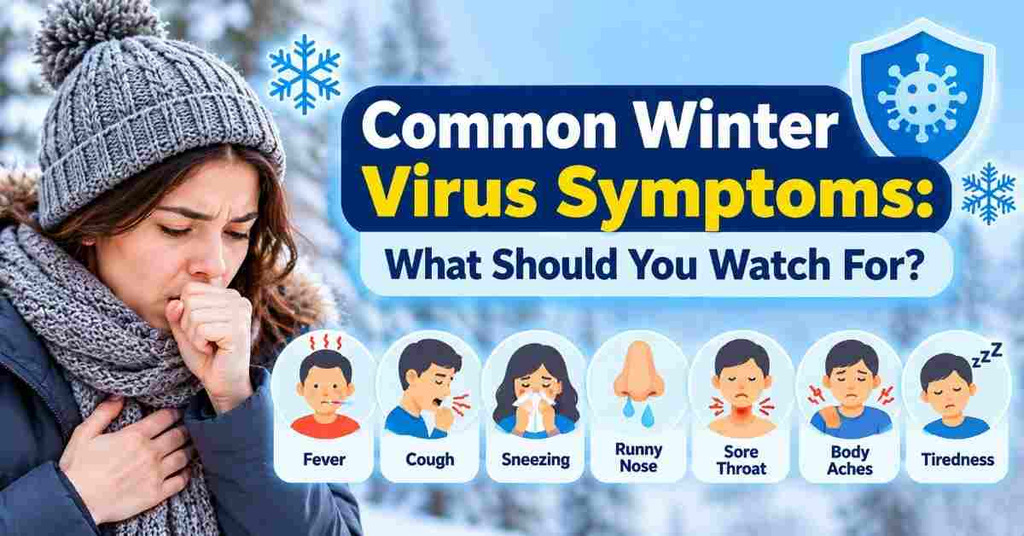
Winter virus symptoms can vary depending on the type of infection. Some people experience mild symptoms, while others may need medical attention.
Common symptoms of winter viral infections include:
- Fever or chills.
- Cough.
- Runny or blocked nose.
- Sneezing.
- Sore throat.
- Headache.
- Body pain.
- Unusual tiredness.
- Breathing difficulties in serious cases.
These symptoms can be similar across different infections. Symptoms alone cannot always identify the exact illness.
How to Prevent Winter Diseases
You can follow these simple precautions to reduce the risk of common winter infections:
- Wash your hands regularly with soap and water.
- Avoid close contact with people who are sick.
- Cover your mouth and nose when coughing or sneezing.
- Avoid touching your eyes, nose, and mouth with unwashed hands.
- Keep indoor spaces clean and well-ventilated.
- Get recommended vaccinations, such as flu and COVID-19 vaccines.
- Stay home when you are sick, if possible.
- Get enough sleep and eat nutritious food.
If you become sick, take proper rest and drink enough fluids. Follow medical advice instead of using medicines without understanding their purpose.
When Should You Seek Medical Help?
Do not ignore serious symptoms during winter. Seek medical attention if you experience:
- Difficulty breathing.
- Chest pain or pressure.
- Severe dehydration.
- Confusion or unusual weakness.
- Persistent or worsening fever.
- Symptoms that improve and then become worse.
Babies, older adults, pregnant people, and people with certain medical conditions may need medical advice earlier.
Best Foods to Eat During Winter & Best Healthy Drinks for Winter
Eating nutritious food during winter helps your body get essential vitamins, minerals, and energy.
Best Foods to Eat During Winter
- Oranges: Provide vitamin C and other nutrients.
- Guava: Contains vitamin C and dietary fibre.
- Carrots: Provide beta-carotene and fibre.
- Spinach: Contains vitamins and minerals.
- Sweet Potatoes: Provide energy and dietary fibre.
- Nuts and Seeds: Offer healthy fats, protein, and minerals.
- Oats: Make a warm and filling breakfast.
- Soups: Vegetable and lentil soups can be nutritious meal options.
Best Healthy Drinks for Winter
- Warm Water: Helps maintain daily hydration.
- Ginger Tea: A warm drink that many people enjoy during cold weather.
- Turmeric Milk: Provides warmth and can be part of a balanced diet.
- Lemon Water: Offers a refreshing way to drink fluids.
- Vegetable Soup: Provides fluids and useful nutrients.
- Herbal Tea: A warm drink option without needing sugary ingredients.
Choose drinks with little or no added sugar and remember that water is still important in winter.
Winter Exercise and Fitness Tips
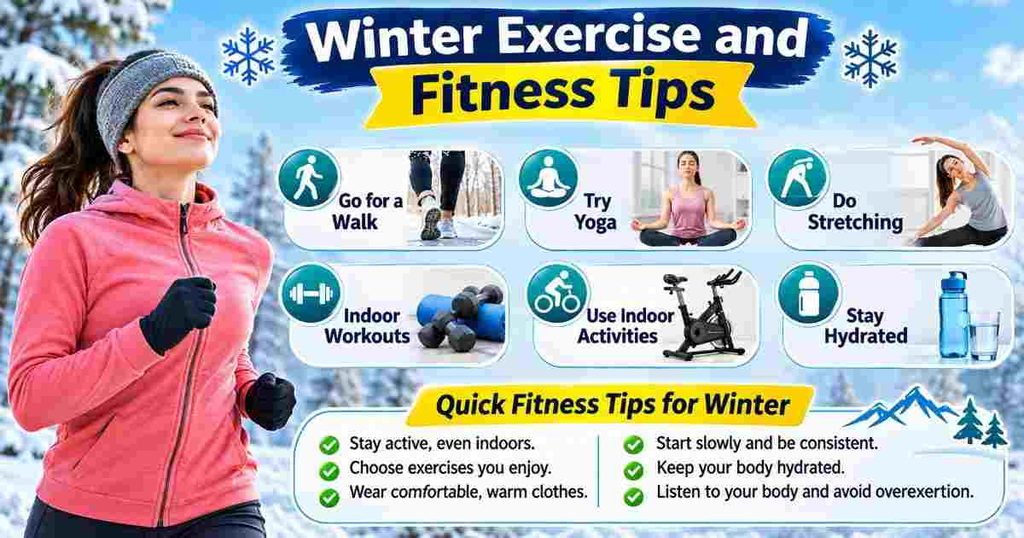
Cold weather can make it difficult to follow an exercise routine. However, regular physical activity is important for maintaining fitness and energy.
Here are some simple winter exercise tips:
- Indoor Workouts: Try simple home exercises when it is too cold outside.
- Walking: Walk indoors or outdoors when the weather is comfortable.
- Yoga and Stretching: Improve flexibility and help your body stay active.
- Warm Up First: Prepare your muscles before starting exercise.
- Wear Suitable Clothes: Choose comfortable and warm workout clothes.
- Stay Active: Avoid sitting for long periods.
- Drink Enough Water: Maintain hydration before and after physical activity.
Start slowly and choose activities that match your fitness level. If you have a health condition, ask a healthcare professional about suitable exercises.
Winter Health Tips for Students, Children, Young Adults, Adults & Older Adults
Different age groups may need different types of care during winter. Here are some simple health tips for each age group.
Winter Health Tips for Students
- Eat a healthy breakfast before going to school or college.
- Wear warm clothes during travel.
- Drink enough water throughout the day.
- Maintain a regular sleep schedule.
- Take short breaks from studying and stay physically active.
Winter Health Tips for Children
- Dress children in warm and comfortable clothes.
- Provide healthy meals and seasonal fruits.
- Encourage outdoor play when the weather is safe.
- Teach children to wash their hands regularly.
- Make sure they get enough sleep.
Winter Health Tips for Young Adults
- Maintain a balanced diet and exercise routine.
- Avoid skipping meals.
- Get enough sleep despite busy schedules.
- Stay hydrated during work and study.
- Manage stress with healthy activities.
Winter Health Tips for Adults
- Follow a regular exercise routine.
- Eat nutritious and balanced meals.
- Take care of your skin.
- Maintain a healthy sleep schedule.
- Avoid sitting for long periods.
Winter Health Tips for Older Adults
- Wear warm clothes and keep the body comfortable.
- Avoid going outside during extremely cold weather.
- Eat nutritious meals and drink enough fluids.
- Keep floors dry to reduce the risk of slipping.
- Follow prescribed medicines and regular medical advice.
How to Take Care of Your Mental Health in Winter

Winter can sometimes affect your mood because of shorter days, less sunlight, and changes in daily activities. Taking care of your mental health is just as important as physical health.
Try these simple habits:
- Spend time with family and friends.
- Get natural daylight when possible.
- Follow a regular sleep schedule.
- Enjoy hobbies such as reading, music, or gardening.
- Practice meditation or deep breathing.
- Stay physically active.
- Take breaks from screens and work.
If low mood, anxiety, or other symptoms continue or affect daily life, consider speaking with a qualified mental health professional.
Winter Health Precautions: Do’s and Don’ts
Following healthy habits and avoiding common mistakes can make your winter routine better.
| Do’s | Don’ts |
| Wear warm and comfortable clothes. | Do not stay in wet clothes. |
| Drink enough water. | Do not ignore hydration. |
| Eat nutritious foods. | Do not depend only on junk food. |
| Wash your hands regularly. | Do not touch your face with unwashed hands. |
| Keep indoor spaces clean and ventilated. | Do not ignore indoor hygiene. |
| Follow medical advice. | Do not ignore serious symptoms. |
Final Thoughts
By following these 20 winter health tips, you can keep your body healthy, maintain your energy, and enjoy the colder months with greater comfort. Start with simple changes today and make healthy living a part of your winter routine!
Health Disclaimer: This article provides general health information for educational purposes only. It is not a substitute for professional medical advice, diagnosis, or treatment. Always consult a qualified healthcare professional for personal health concerns.
Frequently Asked Questions (FAQs)
1. How can I stay healthy during winter?
Eat healthy foods, drink enough water, exercise regularly, get proper sleep, and wear warm clothes.
2. Which foods are best to eat in winter?
Seasonal fruits, green vegetables, carrots, sweet potatoes, nuts, seeds, oats, and homemade soups are good choices.
3. How much water should I drink in winter?
Your water needs depend on your age, activity, and health. Drink regularly throughout the day, even when you do not feel thirsty.
4. Is exercise important during winter?
Yes. Regular exercise helps maintain fitness, improve energy, and support overall health.
5. How can I protect my skin during winter?
Use moisturizer, apply lip balm, avoid very hot showers, and drink enough water.
6. Why do people feel less active in winter?
Cold weather and shorter daylight hours can make people spend more time indoors and reduce physical activity.
7. What are the best warm drinks for winter?
Warm water, herbal tea, ginger tea, turmeric milk, and homemade vegetable soup are popular options.
8. How can children stay healthy during winter?
Children should wear warm clothes, eat nutritious food, wash their hands regularly, stay active, and get enough sleep.
9. How can older adults stay safe during winter?
Older adults should keep warm, eat balanced meals, stay hydrated, avoid slippery surfaces, and follow their healthcare professional’s advice.
10. Can winter affect mental health?
Yes. Shorter days and changes in daily routines may affect mood. Sunlight, exercise, social activities, and proper sleep can help support mental well-being.
11. Is sunlight important during winter?
Yes. Spending time in natural daylight can support your daily routine. Sunlight also helps your body produce vitamin D when exposure is sufficient.
12. What should I avoid during winter?
Avoid staying in wet clothes, skipping meals, drinking too little water, remaining inactive, and ignoring health problems.
13. What are the common symptoms of winter viruses?
Common symptoms include fever, cough, runny nose, sneezing, sore throat, headache, and body aches. Symptoms depend on the infection.
14. How can I prevent winter diseases?
Wash your hands regularly, keep your surroundings clean, avoid close contact with sick people, get recommended vaccinations, and maintain healthy daily habits.
15. Why do people get colds more often in winter?
Respiratory viruses can spread more easily when people spend more time together indoors. Cold weather and dry air can also affect the respiratory system.