
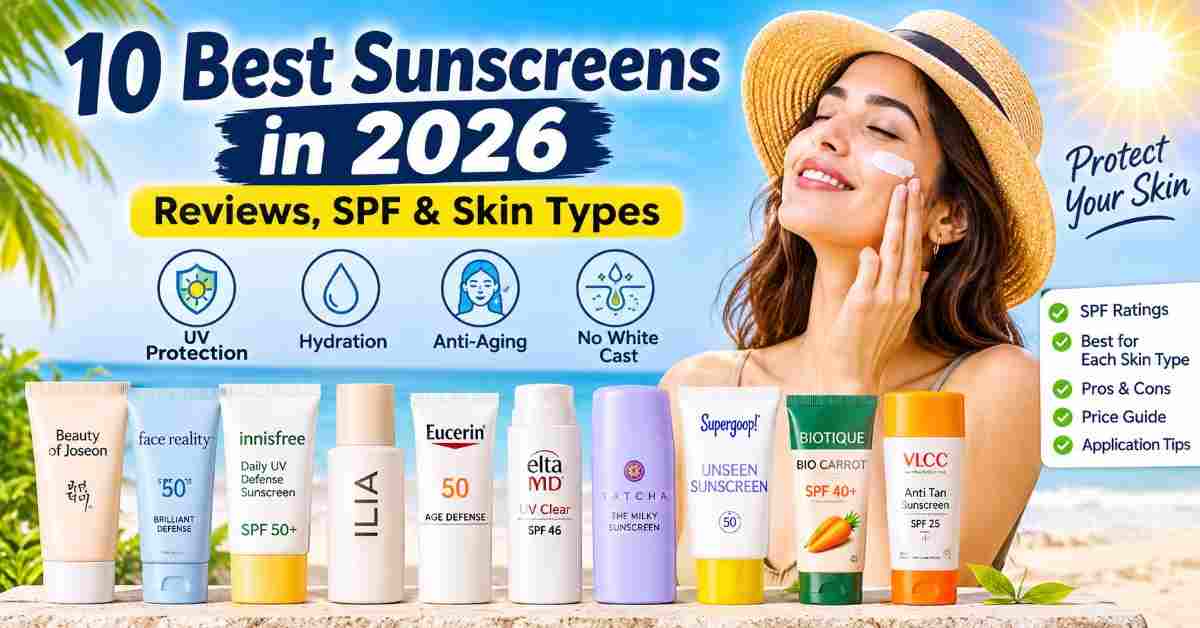
Choosing the right sunscreen is important for protecting your skin from harmful UV rays, sun damage, tanning and premature aging. However, with so many sunscreen options available, finding the right one for your skin type and daily needs can be confusing.
In this guide, we have covered the 10 best sunscreens, including their product overviews, SPF ratings, key ingredients, features, suitable skin types, textures, pros and cons, and price ranges. You will also learn how to choose the right sunscreen, which options are suitable for different skin types, and how to apply sunscreen correctly for better protection.
Whether you have oily, dry, sensitive, combination or acne-prone skin, this guide will help you compare different options and find a sunscreen that fits your skincare routine and budget.
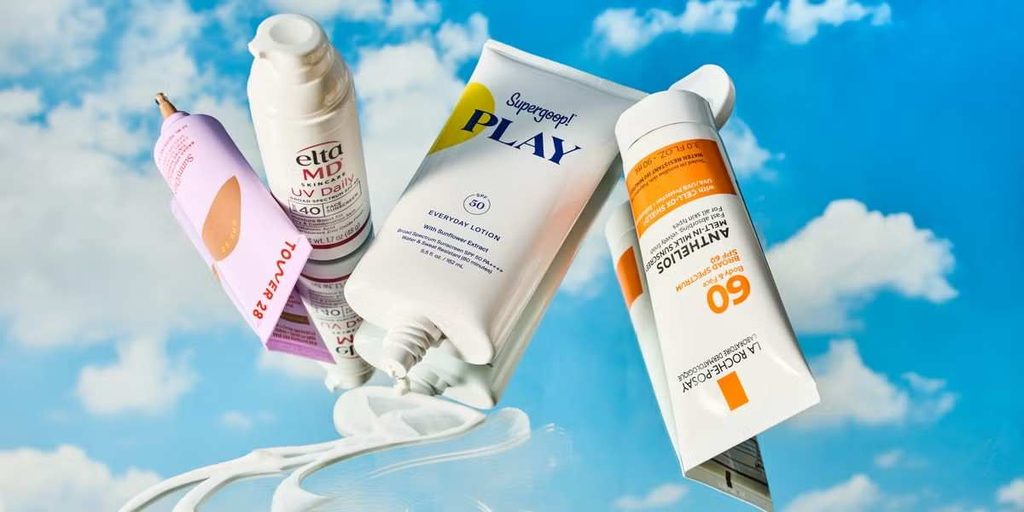
Top 10 Sunscreens Comparison Table
| Sunscreen Name | SPF | Best For | Texture & Finish | Price |
| Beauty of Joseon Daily Tinted Fluid | 40 | Normal, oily & combination skin | Lightweight, natural glow | ₹2,000–₹2,500 |
| Face Reality Brilliant Defense | 50 | Acne-prone skin | Lightweight, dewy | ₹3,500–₹4,000 |
| Innisfree Daily UV Defense | 50+ | Normal, dry & combination skin | Lightweight lotion | ₹1,200–₹1,800 |
| ILIA Sun Serum Mineral | 50 | Sensitive & dry skin | Lightweight serum | ₹3,500–₹4,500 |
| Eucerin Age Defense | 50 | Normal, dry & mature skin | Lightweight lotion | ₹1,500–₹2,500 |
| EltaMD UV Clear | 46 | Sensitive & acne-prone skin | Lightweight lotion | ₹4,500–₹5,500 |
| Tatcha The Milky Sunscreen | 50 | Dry skin | Milky lotion | ₹7,500–₹9,000 |
| Supergoop! Unseen Sunscreen | 50 | Oily & combination skin | Clear gel | ₹1,900–₹3,500 |
| Biotique Bio Carrot | 40+ | Normal skin | Moisturizing lotion | ₹299–₹499 |
| VLCC Anti Tan Sunscreen | 25 | Daily use | Nourishing lotion | ₹350–₹450 |
How to Choose the Right Sunscreen
Choosing the right sunscreen depends on your skin type and daily needs. Before buying, consider these important factors:
- SPF & PA Rating: Choose broad-spectrum SPF 30 or higher for daily protection against UVA and UVB rays.
- Oily Skin: Choose a lightweight, gel-based or non-greasy sunscreen.
- Dry Skin: Look for hydrating ingredients such as hyaluronic acid and glycerin.
- Sensitive Skin: Prefer fragrance-free formulas and consider mineral sunscreens with zinc oxide or titanium dioxide.
- Combination Skin: Choose a lightweight formula that provides balanced hydration without feeling heavy.
- Water Resistance: If you swim, sweat or spend time outdoors, choose a water-resistant sunscreen.
- Texture & Finish: Select a texture and finish that feels comfortable on your skin, such as matte, natural or dewy.
Tip: The best sunscreen is one that suits your skin type, offers broad-spectrum protection and you enjoy applying every day.
Top 10 Sunscreens – Detailed Product Information
1. Beauty of Joseon Daily Tinted Fluid Sunscreen
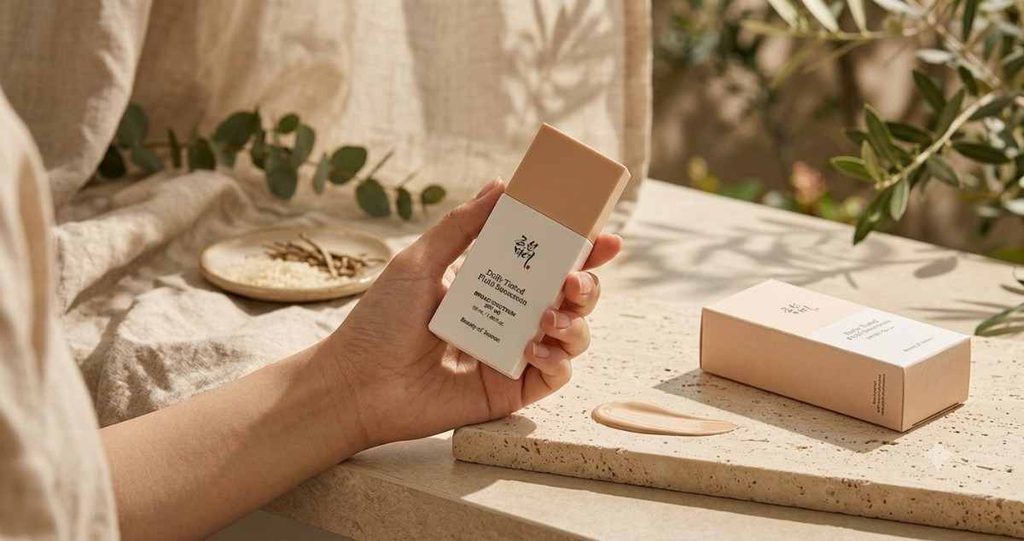
- Overview: Lightweight tinted sunscreen with natural coverage.
- SPF: 40.
- Ingredients: Zinc Oxide and mineral pigments.
- Features: Light coverage and natural finish.
- Best For: Normal, oily and combination skin.
- Texture: Lightweight fluid with a soft glow.
- Pros: Comfortable and available in multiple shades.
- Cons: Not waterproof; shade matching can be difficult.
- Price: Approximately ₹2,000–₹2,500.
2. Face Reality Brilliant Defense SPF 50 Sunscreen
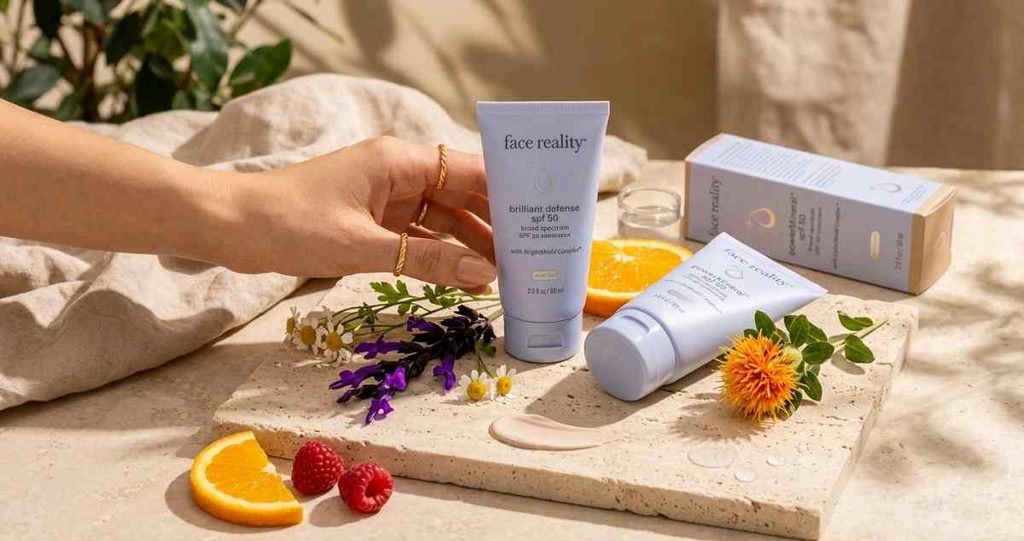
- Overview: Daily sunscreen that protects and hydrates skin.
- SPF: 50.
- Ingredients: Sodium Hyaluronate, Panthenol and Vitamin E.
- Features: Hydration and radiant-looking skin.
- Best For: All skin types, including acne-prone skin.
- Texture: Lightweight with a dewy finish.
- Pros: Hydrating and breathable.
- Cons: Expensive and may feel too dewy.
- Price: Approximately ₹3,500–₹4,000.
3. Innisfree Daily UV Defense Sunscreen Lotion SPF 50+
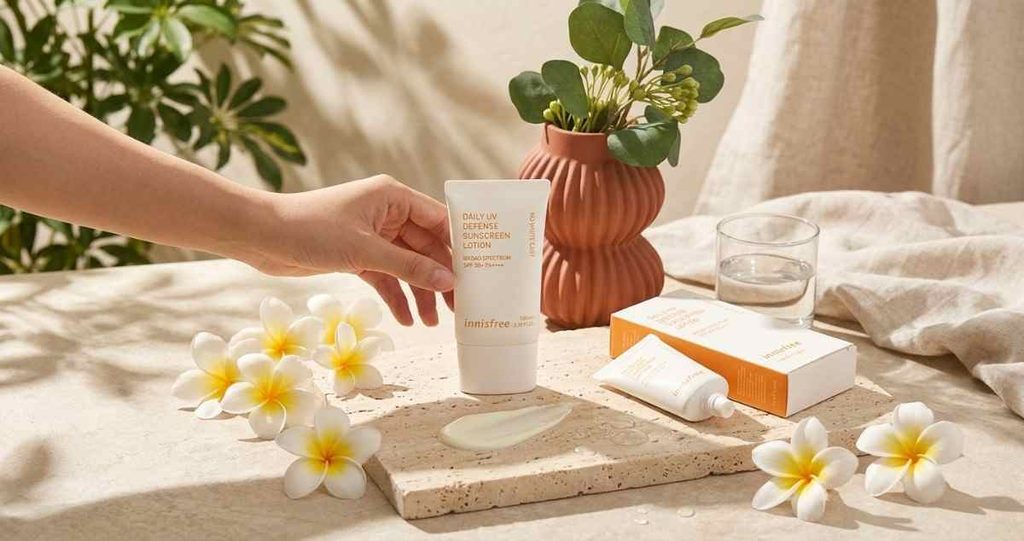
- Overview: Daily sunscreen that protects and moisturizes skin.
- SPF: 50+.
- Ingredients: Green Tea, Centella Asiatica and Glycerin.
- Features: Hydration and easy makeup layering.
- Best For: Normal, dry and combination skin.
- Texture: Lightweight lotion with a natural finish.
- Pros: Hydrating and comfortable for daily use.
- Cons: Contains fragrance.
- Price: Approximately ₹1,200–₹1,800.
4. ILIA Sun Serum Mineral Sunscreen SPF 50
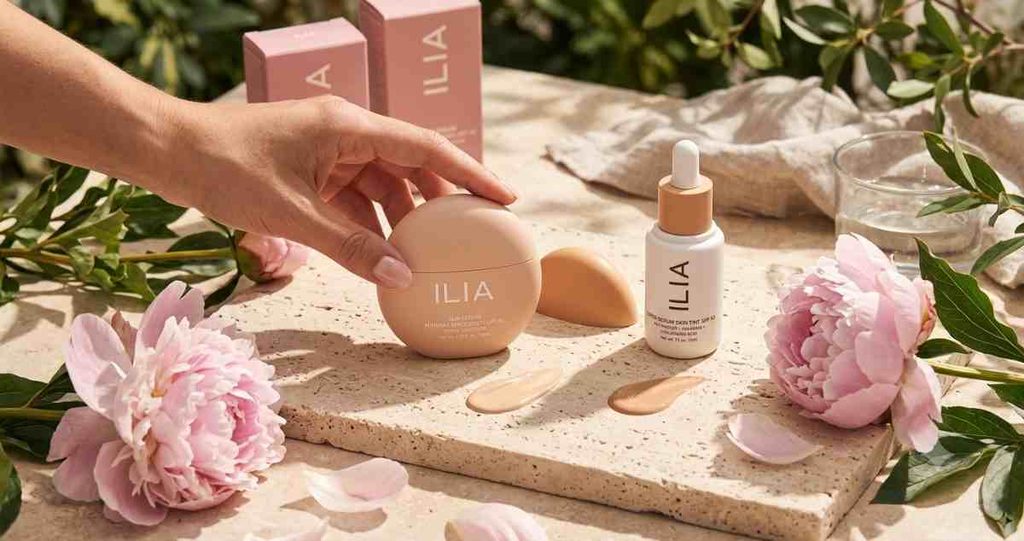
- Overview: Mineral sunscreen with skincare benefits.
- SPF: 50.
- Ingredients: Zinc Oxide, Niacinamide and Vitamin E.
- Features: Mineral protection and lightweight hydration.
- Best For: Normal, dry and sensitive skin.
- Texture: Lightweight serum with a natural finish.
- Pros: Hydrating and mineral-based.
- Cons: Limited shades and expensive.
- Price: Approximately ₹3,500–₹4,500.
5. Eucerin Age Defense SPF 50 Face Sunscreen
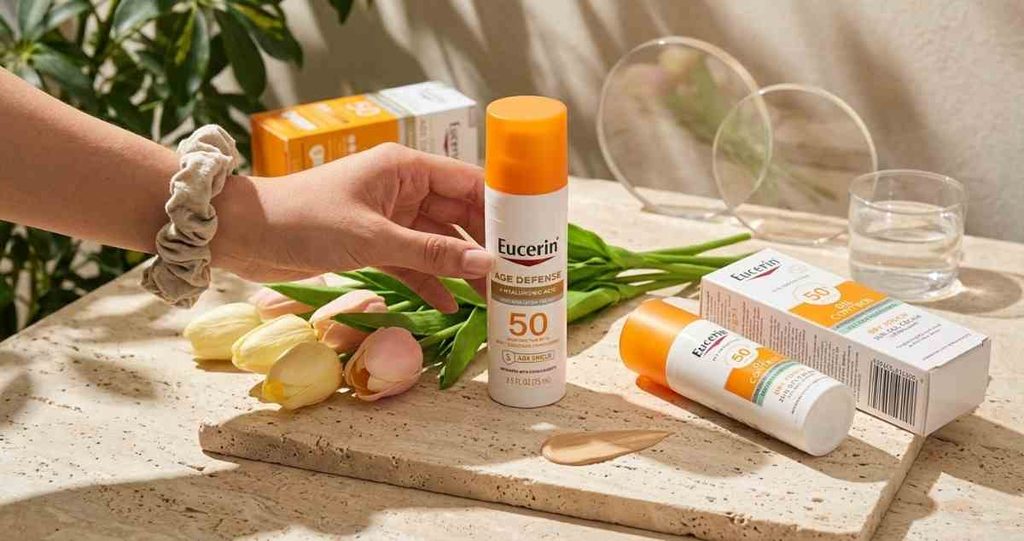
- Overview: Daily sunscreen that protects and hydrates skin.
- SPF: 50.
- Ingredients: Hyaluronic Acid, Vitamin C and Vitamin E.
- Features: Broad-spectrum protection and invisible finish.
- Best For: Normal, dry, oily and combination skin.
- Texture: Lightweight lotion.
- Pros: Fragrance-free and suitable under makeup.
- Cons: Limited oil control for very oily skin.
- Price: Approximately ₹1,500–₹2,500.
6. EltaMD UV Clear Broad-Spectrum SPF 46
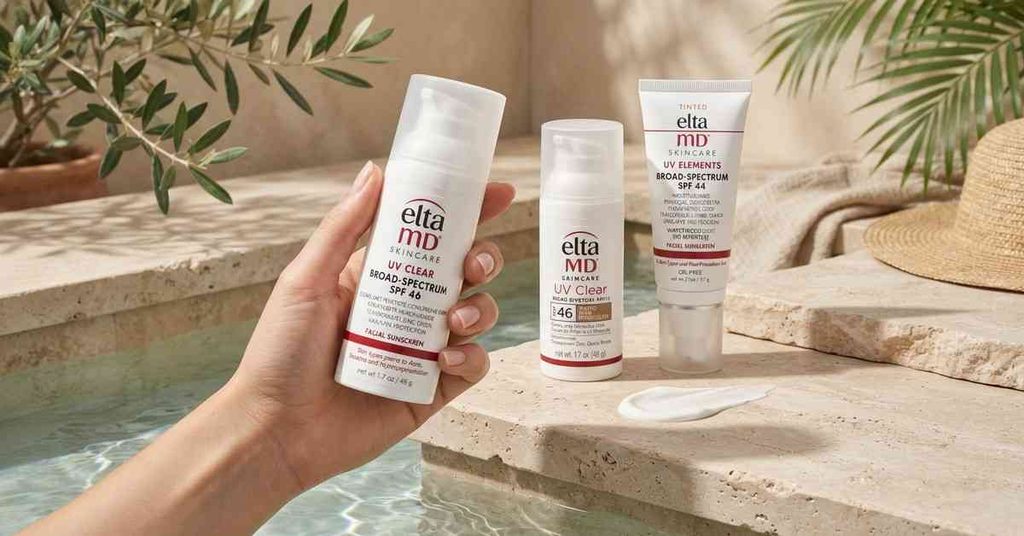
- Overview: Lightweight sunscreen designed for sensitive and acne-prone skin.
- SPF: 46.
- Ingredients: Zinc Oxide, Niacinamide and Hyaluronic Acid.
- Features: Oil-free and non-comedogenic formula.
- Best For: Sensitive, oily and acne-prone skin.
- Texture: Lightweight lotion with a natural finish.
- Pros: Fragrance-free and oil-free.
- Cons: Expensive and may not suit very dry skin.
- Price: Approximately ₹4,500–₹5,500.
7. Tatcha The Milky Sunscreen SPF 50
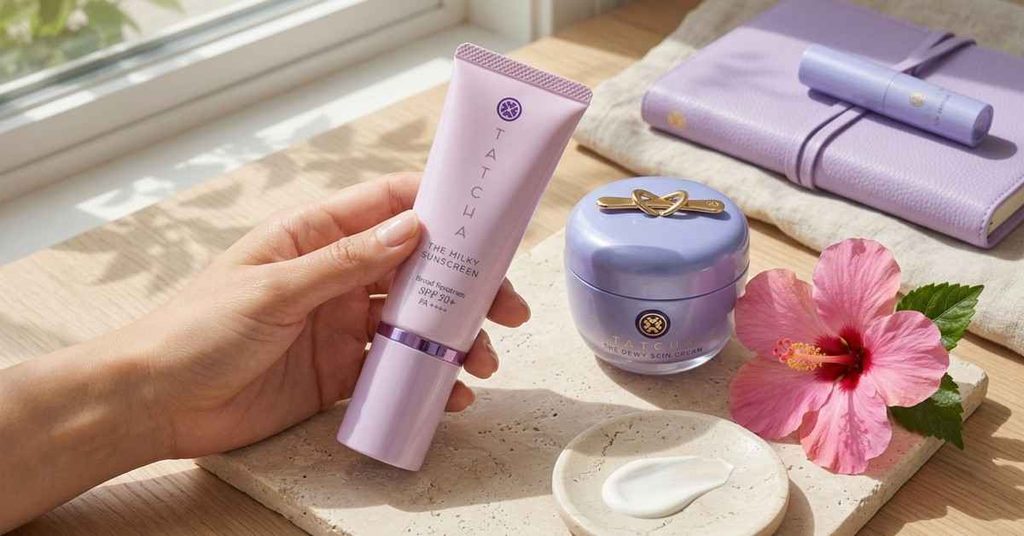
- Overview: Hydrating sunscreen for daily skin protection.
- SPF: 50.
- Ingredients: Rice Ferment, Green Tea and Vitamin E.
- Features: Hydration and smooth-looking skin.
- Best For: All skin types, especially dry skin.
- Texture: Lightweight milky lotion.
- Pros: Hydrating and comfortable.
- Cons: Expensive and contains fragrance.
- Price: Approximately ₹7,500–₹9,000.
8. Supergoop! Unseen Sunscreen SPF 50
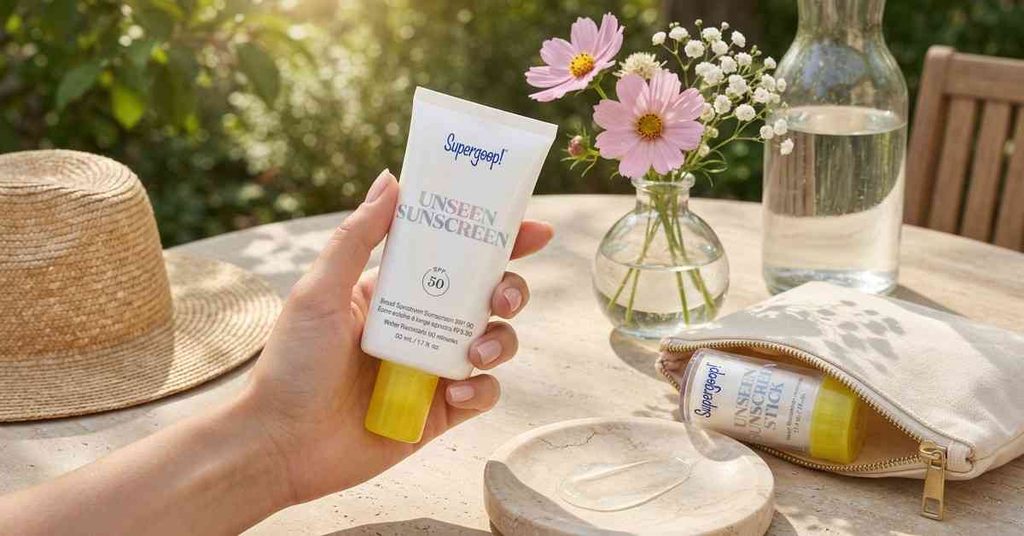
- Overview: Invisible sunscreen that also works as a makeup primer.
- SPF: 50.
- Ingredients: Meadowfoam Seed Oil, Bisabolol and Vitamin E.
- Features: No white cast and smooth application.
- Best For: All skin types, depending on individual tolerance.
- Texture: Weightless, clear gel.
- Pros: Non-greasy and makeup-friendly.
- Cons: Expensive and silicone-based.
- Price: Approximately ₹1,900–₹3,500.
9. Biotique Bio Carrot SPF 40 Sunscreen
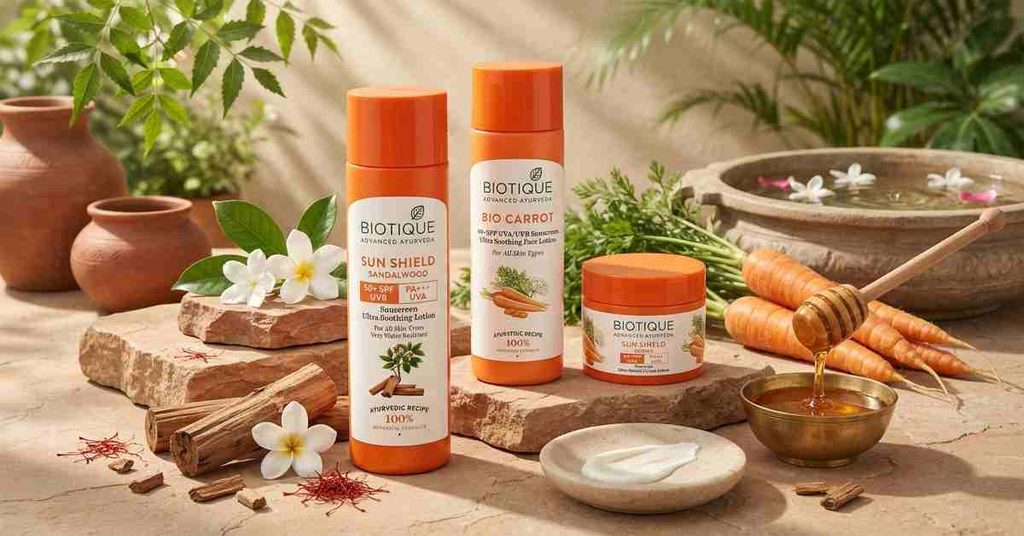
- Overview: Carrot-based sunscreen that protects and moisturizes skin.
- SPF: 40+.
- Ingredients: Carrot Extract, Wheat Germ and Zinc Oxide.
- Features: Sun protection and skin moisturization.
- Best For: All skin types, depending on skin tolerance.
- Texture: Moisturizing lotion.
- Pros: Affordable and moisturizing.
- Cons: May feel heavy on oily skin.
- Price: Approximately ₹299–₹499.
10. VLCC Anti Tan Sunscreen Lotion SPF 25
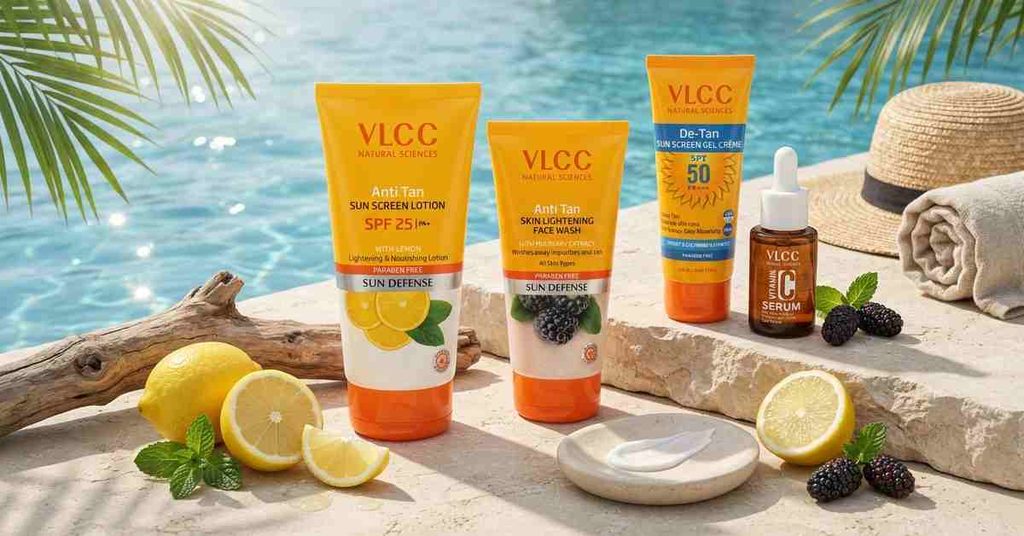
- Overview: Moisturizing sunscreen for daily sun protection.
- SPF: 25 PA+.
- Ingredients: Lemon, Watermelon and Vitamin E.
- Features: Moisturization and sun protection.
- Best For: All skin types, according to the brand.
- Texture: Nourishing lotion.
- Pros: Budget-friendly and moisturizing.
- Cons: Lower SPF and limited UVA protection.
- Price: Approximately ₹350–₹450.
SPF vs PA Rating: What Is the Difference?
SPF and PA ratings tell you how well a sunscreen protects your skin from harmful sun rays. Both are important, but they protect against different types of UV rays.
What Is SPF?
SPF (Sun Protection Factor) measures how well sunscreen protects your skin from UVB rays, which cause sunburn and skin damage.
- SPF 30: Blocks approximately 97% of UVB rays.
- SPF 50: Blocks approximately 98% of UVB rays.
- SPF 100: Blocks approximately 99% of UVB rays.
For everyday use, SPF 30 or higher is recommended.
What Is PA Rating?
PA (Protection Grade of UVA) shows how well sunscreen protects your skin from UVA rays. These rays can cause tanning, wrinkles and premature skin aging.
PA ratings are divided into four levels:
- PA+: Some UVA protection.
- PA++: Moderate UVA protection.
- PA+++: High UVA protection.
- PA++++: Very high UVA protection.
A higher PA rating means better UVA protection.
Difference Between SPF and PA Rating
| SPF | PA Rating |
| Protects against UVB rays. | Protects against UVA rays. |
| Helps prevent sunburn. | Helps reduce tanning and premature aging. |
| Uses numbers such as SPF 30 and SPF 50. | Uses plus signs such as PA++ and PA++++. |
Which SPF and PA Rating Is Best?
For daily use, choose a broad-spectrum sunscreen with SPF 30 or higher. If PA ratings are mentioned on the product, PA+++ or PA++++ are good options for UVA protection.
Tip: Always choose a sunscreen that protects against both UVA and UVB rays. Apply it regularly and reapply every two hours when spending time outdoors.
How We Selected These 10 Sunscreens
To select these 10 sunscreens, we considered important factors that help readers find the right product for their skin and daily needs. Our selection focused on:
- SPF & PA Rating: We considered the level of UVA and UVB protection offered by each sunscreen.
- Key Ingredients: We looked at ingredients that support sun protection, hydration and overall skin care.
- Skin Type Compatibility: We included options for oily, dry, sensitive, combination and acne-prone skin.
- Texture & Finish: We considered lightweight, non-greasy, tinted and moisturizing formulas.
- White Cast: We considered whether the formula leaves a visible white residue on the skin.
- Water Resistance: We checked whether products offer water or sweat resistance.
- Price & Value: We included different price ranges to suit different budgets.
- Brand & Product Information: We considered product descriptions, available specifications and customer needs.
Our goal was to include different sunscreen options so readers can compare their features, benefits and prices and choose one that suits their skin type and preferences.
Best Sunscreen for Each Skin Type
Choosing the right sunscreen depends on your skin type, texture preference and daily skincare needs. Here are some suitable options from our selected list.
1. Best Sunscreen for Oily Skin
Supergoop! Unseen Sunscreen SPF 50
Its lightweight, invisible gel texture provides a smooth finish and works well under makeup. It is a good option for people who prefer a non-greasy feel.
2. Best Sunscreen for Dry Skin
Tatcha The Milky Sunscreen SPF 50
Its moisturizing milky formula helps keep skin hydrated and comfortable throughout the day.
3. Best Sunscreen for Sensitive Skin
EltaMD UV Clear SPF 46
It contains niacinamide and is designed for sensitive and acne-prone skin. It is also fragrance-free.
4. Best Sunscreen for Acne-Prone Skin
Face Reality Brilliant Defense SPF 50
Its lightweight formula is designed with acne-prone skin in mind and provides daily broad-spectrum sun protection.
5. Best Sunscreen for Combination Skin
Beauty of Joseon Daily Tinted Fluid Sunscreen
Its lightweight tinted formula offers a natural-looking finish and light coverage, making it an option for combination skin.
6. Best Sunscreen for Normal Skin
Innisfree Daily UV Defense SPF 50+
Its moisturizing lotion texture makes it a convenient option for everyday use.
7. Best Sunscreen for Mature Skin
Eucerin Age Defense SPF 50
Its hydrating formula and antioxidant ingredients make it a suitable option for people looking for daily sun protection alongside their skincare routine.
Note: These recommendations are based on product features and formulation, not independent clinical testing. Individual skin reactions may vary.
How to Apply Sunscreen Correctly
Applying sunscreen the right way helps protect your skin from sun damage, tanning and premature aging. Follow these easy steps to get better sun protection.
1. Apply Sunscreen After Moisturizer
First, apply your moisturizer and let it absorb into your skin. Then apply sunscreen before using makeup.
2. Use Enough Sunscreen
Apply enough sunscreen to cover your face and neck properly. Don’t apply just a few small drops, as this may not give you the protection mentioned on the product.
3. Apply Before Going Outside
Apply sunscreen about 15 minutes before going outdoors, or follow the instructions on the product label.
4. Reapply Every 2 Hours
Sunscreen does not protect your skin all day with just one application. Apply it again every 2 hours when you are outdoors. Reapply after swimming, sweating or wiping your face with a towel.
5. Don’t Miss These Areas
Many people forget to apply sunscreen to their ears, neck, hands and feet. Make sure to cover all skin exposed to sunlight.
6. Use Sunscreen Every Day
Apply sunscreen every morning, even on cloudy days. Sunlight can still affect your skin when the weather is cloudy.
Tip: Choose a broad-spectrum sunscreen with SPF 30 or higher for daily use. Wear sunglasses, use a hat and stay in the shade when possible for extra protection.
Final Thoughts
Choosing the right sunscreen helps protect your skin from harmful UV rays, tanning and premature aging. In this guide, we covered 10 sunscreens, their key ingredients, SPF ratings, features, suitable skin types, pros and cons, and price ranges.
We also explained how to choose sunscreen for different skin types and how to apply it correctly. Compare the products based on your skin needs, budget and texture preference. Choose a broad-spectrum sunscreen with SPF 30 or higher and use it regularly for better sun protection.
Frequently Asked Questions (FAQs)
1. Which SPF is best for daily use?
SPF 30 or higher is recommended for daily use. Choose a broad-spectrum sunscreen that protects against both UVA and UVB rays.
2. Should I apply sunscreen every day?
Yes, you should apply sunscreen every day, even when it is cloudy. It helps protect your skin from UV rays, sun damage and premature aging.
3. How often should I reapply sunscreen?
Reapply sunscreen every two hours when spending time outdoors. You should also reapply after swimming, sweating or wiping your skin with a towel.
4. Which sunscreen is best for oily skin?
Lightweight, gel-based and non-greasy sunscreens are good choices for oily skin. Supergoop! Unseen Sunscreen SPF 50 is one option from our list.
5. Can I use sunscreen if I have acne-prone skin?
Yes, people with acne-prone skin can use sunscreen. Choose an oil-free, non-comedogenic formula, such as EltaMD UV Clear SPF 46.
6. What is the difference between SPF 30 and SPF 50?
SPF 30 blocks approximately 97% of UVB rays, while SPF 50 blocks approximately 98% when applied correctly. Both offer good protection, but proper application and reapplication are important.
7. Should I apply sunscreen before or after moisturizer?
Apply moisturizer first and allow it to absorb. Then apply sunscreen as the final step of your morning skincare routine before makeup.
8. Can I use the same sunscreen on my face and body?
Yes, you can use the same sunscreen on your face and body if the product is suitable for both. Choose a formula that feels comfortable and does not irritate your skin.
9. Is SPF 25 sunscreen enough for daily use?
SPF 25 provides some UVB protection, but SPF 30 or higher is generally recommended for daily use. For better protection, choose a broad-spectrum sunscreen with SPF 30–50.
10. Does sunscreen prevent tanning and premature aging?
Sunscreen helps reduce tanning, sun damage and signs of premature aging caused by UV exposure. However, no sunscreen provides 100% protection, so wearing protective clothing and staying in the shade are also important.