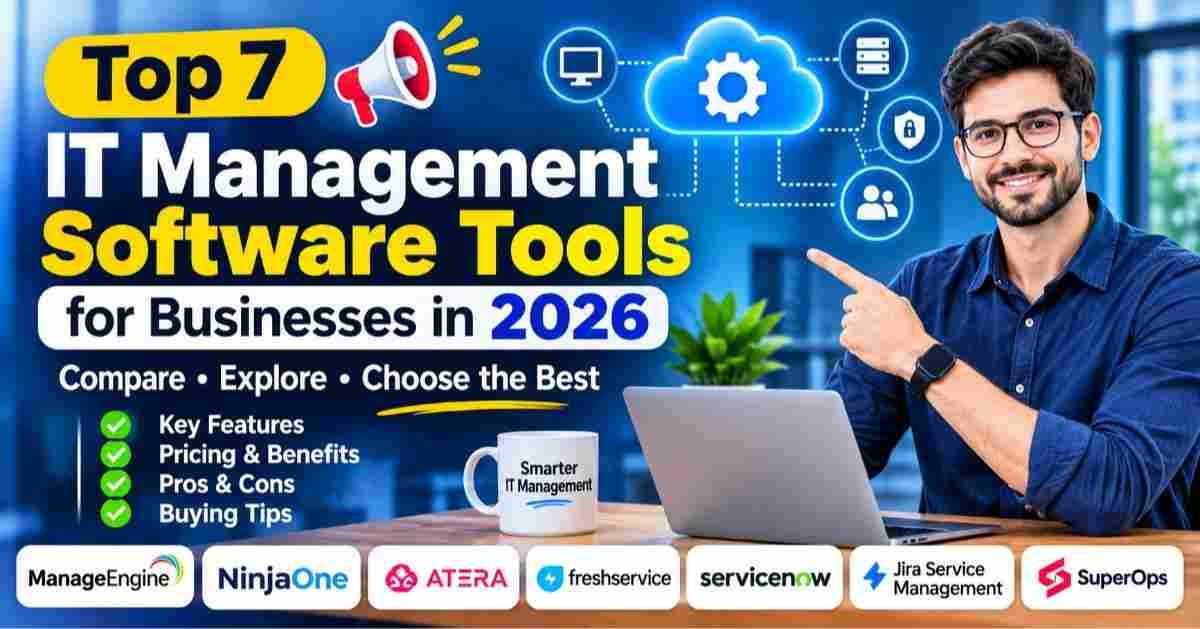
Choosing the right Top IT Management Software helps businesses manage devices, networks, and daily IT operations more efficiently. In this guide, we cover the top 7 IT Management Software tools, including ManageEngine, NinjaOne, Atera, Freshservice, ServiceNow, Jira Service Management, and SuperOps. Explore their key features, pricing, benefits, pros and cons, and uses. We also explain how these tools work, their benefits, and how to choose the right solution for your business.
What Is IT Management Software?
Top IT Management Software is a tool that helps businesses manage their IT operations, devices, networks, and technical services from one platform. It allows IT teams to monitor systems, manage software updates, fix technical issues, and track IT assets. These tools also offer automation and reporting features that reduce manual work, improve security, and keep business operations running smoothly.
Types of IT Management Software
There are different types of Top IT Management Software designed to handle specific business needs.
- IT Service Management (ITSM): Manages IT support tickets, incidents, and service requests.
- Remote Monitoring and Management (RMM): Helps IT teams monitor and manage devices remotely.
- IT Asset Management (ITAM): Tracks and manages hardware, software, and IT assets.
- Network Management Software: Monitors network performance and connectivity.
- Endpoint Management Software: Manages and secures computers, laptops, and other devices.
Top IT Management Software Comparison Table
| Software | Best For | Pricing |
| ManageEngine | IT management | Free & Paid |
| NinjaOne | Endpoint management | Custom |
| Atera | All-in-one IT management | Paid |
| Freshservice | IT service desk | Paid |
| ServiceNow | Enterprise IT | Custom |
| Jira Service Management | IT & DevOps teams | Free & Paid |
| SuperOps | MSP management | Paid |
Detailed Overview of the Top 7 IT Management Software
1. ManageEngine
Overview: ManageEngine helps businesses manage IT infrastructure, devices, networks, and service operations.
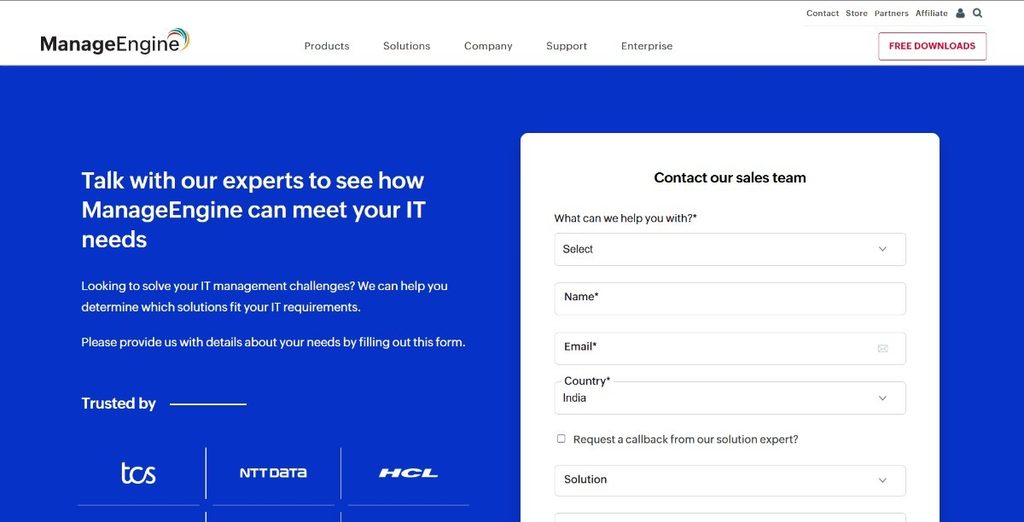
Key Features:
- IT asset management
- Network monitoring
- Patch management
- Help desk management
Main Benefits: Simplifies IT operations, improves security, and reduces manual work.
Best For: Small, medium, and large businesses.
Pricing Plans: Offers free and paid plans depending on the product.
Pros and Cons:
- Pros: Wide range of tools and flexible solutions.
- Cons: Some tools can be difficult to configure.
Things to Consider: Check product features, pricing, and business requirements.
2. NinjaOne
Overview: NinjaOne helps IT teams monitor, manage, and secure devices remotely.
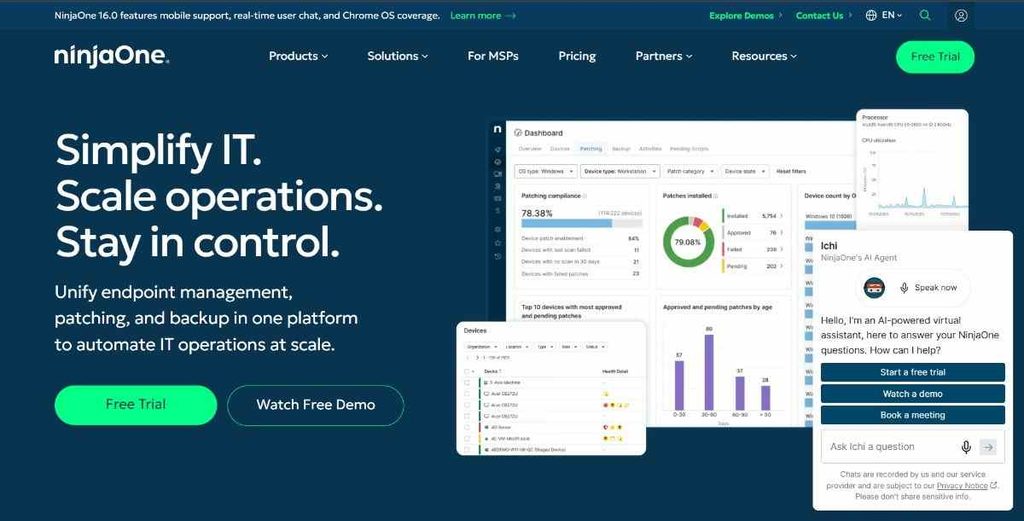
Key Features:
- Remote device monitoring
- Patch management
- Remote access
- Endpoint security
Main Benefits: Saves time, improves device security, and simplifies IT management.
Best For: MSPs and IT teams managing multiple devices.
Pricing Plans: Custom pricing based on devices and selected services.
Pros and Cons:
- Pros: Easy-to-use interface and strong automation.
- Cons: Pricing is not fully transparent.
Things to Consider: Check device compatibility, integrations, and pricing.
3. Atera
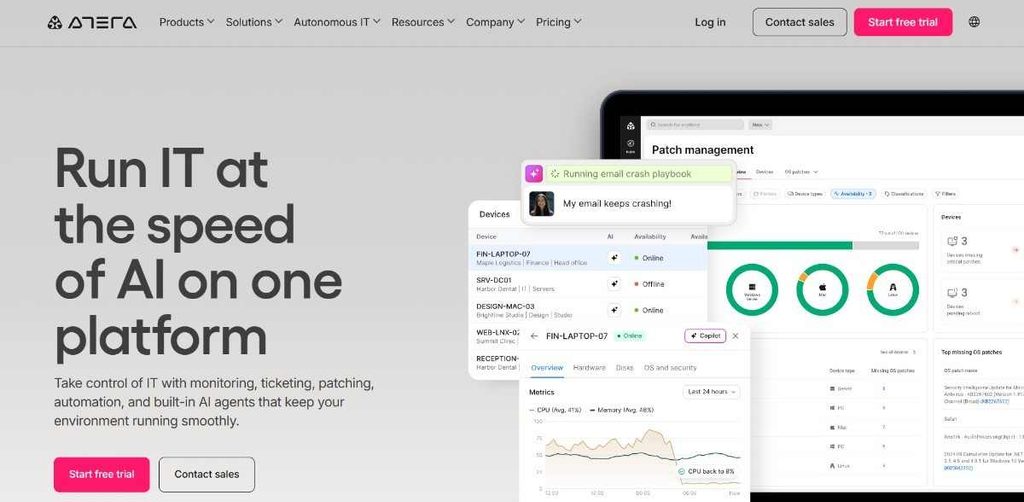
Overview: Atera is an all-in-one IT management platform for monitoring devices and managing IT services.
Key Features:
- Remote monitoring
- Help desk management
- Patch management
- IT automation
Main Benefits: Combines multiple IT tools and reduces manual tasks.
Best For: MSPs, IT consultants, and small businesses.
Pricing Plans: Offers subscription plans based mainly on technicians.
Pros and Cons:
- Pros: All-in-one platform and useful automation.
- Cons: Advanced features may cost more.
Things to Consider: Compare pricing, device limits, and available features.
4. Freshservice
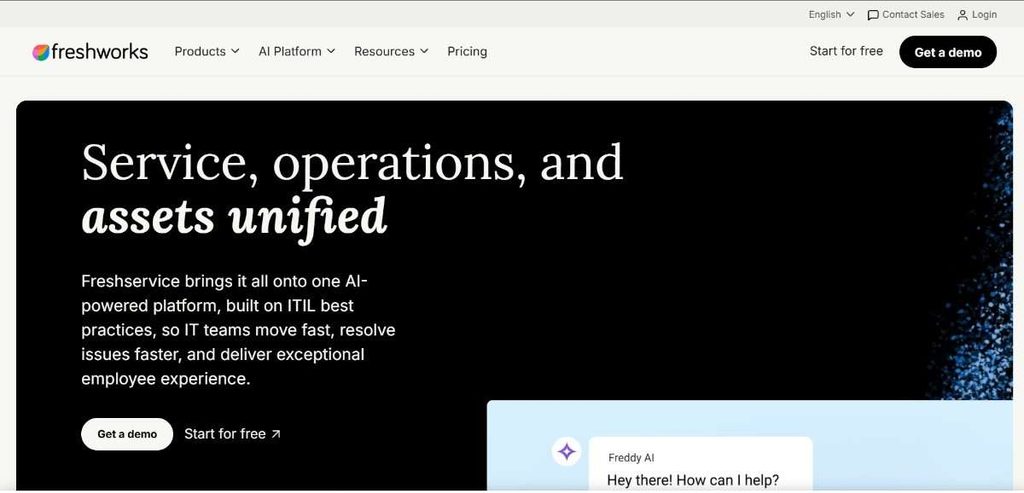
Overview: Freshservice is an IT service management platform that helps businesses manage tickets, assets, and employee requests.
Key Features:
- Ticket management
- IT asset management
- Workflow automation
- Self-service portal
Main Benefits: Simplifies IT support and helps teams resolve issues faster.
Best For: Small and medium-sized businesses.
Pricing Plans: Offers Starter, Growth, Pro, and Enterprise plans.
Pros and Cons:
- Pros: Easy to use and strong ticket management.
- Cons: Advanced features require higher plans.
Things to Consider: Check agent limits, integrations, and automation features.
5. ServiceNow
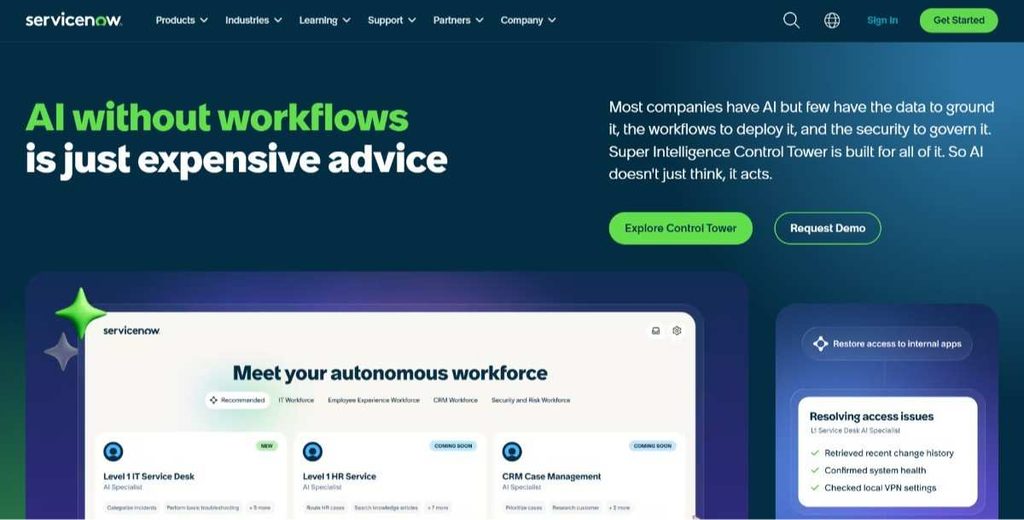
Overview: ServiceNow is an enterprise platform for managing IT services and business workflows.
Key Features:
- IT service management
- Incident management
- Workflow automation
- IT asset management
Main Benefits: Improves business efficiency and automates complex IT operations.
Best For: Large businesses and enterprises.
Pricing Plans: Offers custom pricing based on business requirements.
Pros and Cons:
- Pros: Powerful automation and advanced features.
- Cons: Can be expensive and complex for beginners.
Things to Consider: Consider implementation costs, training, and customization needs.
6. Jira Service Management
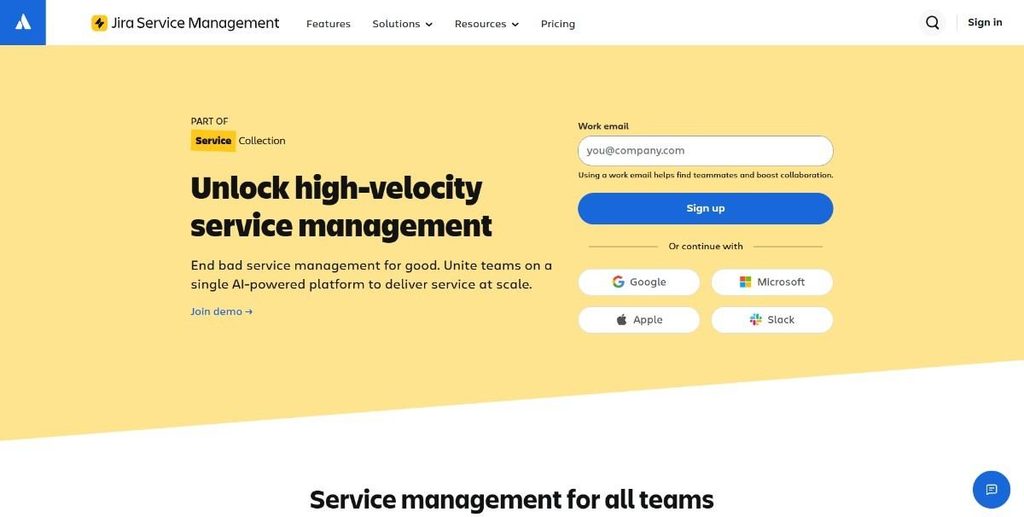
Overview: Jira Service Management helps IT and development teams manage service requests and technical issues.
Key Features:
- Incident management
- Request management
- Custom workflows
- Jira integrations
Main Benefits: Improves team collaboration and simplifies issue tracking.
Best For: IT, DevOps, and software development teams.
Pricing Plans: Offers Free, Standard, Premium, and Enterprise plans.
Pros and Cons:
- Pros: Flexible workflows and strong Jira integration.
- Cons: Can take time to learn.
Things to Consider: Check automation limits, agent requirements, and integrations.
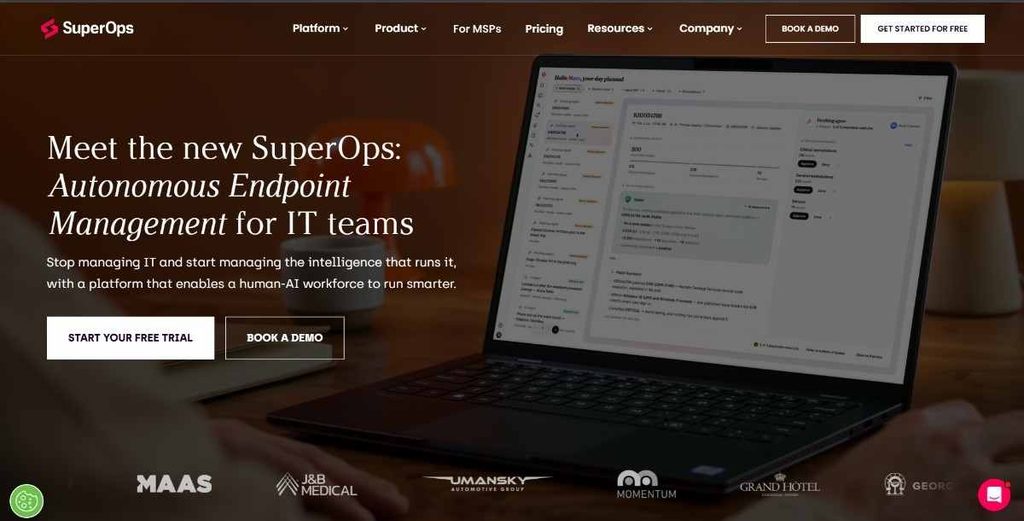
7. SuperOps
Overview: SuperOps is an IT management platform designed for MSPs and IT service providers.
Key Features:
- Remote monitoring
- Patch management
- IT asset management
- Ticket management
Main Benefits: Combines IT tools, automates tasks, and simplifies daily operations.
Best For: MSPs and IT service providers.
Pricing Plans: Offers paid subscription plans based on endpoints and selected features.
Pros and Cons:
- Pros: Centralized management and useful automation.
- Cons: Some advanced features require higher plans.
Things to Consider: Check endpoint pricing, integrations, and required features.
Free vs Paid IT Management Software
Top IT Management Software is available in both free and paid versions. Free tools are suitable for basic IT management, while paid tools usually offer more advanced features, automation, and support.
| Features | Free Software | Paid Software |
| Basic Features | Limited | Advanced |
| Device Management | Basic options | More management options |
| Automation | Limited | Advanced automation |
| Customer Support | Basic or community support | Dedicated support options |
| Reporting | Basic reports | Detailed reports |
| Security | Basic security features | More advanced security options |
| Best For | Small teams and basic needs | Growing businesses and enterprises |
Which One Should You Choose?
Choose free Top IT Management Software if you have a small team and need basic features. Paid software is a better option if your business manages multiple devices and requires advanced automation, security, and technical support.
How to Choose the Right IT Management Software?
Choosing the right IT Management Software depends on your business size, budget, and IT requirements. Before selecting a tool, consider these important factors:
- Features: Look for essential features such as device monitoring, patch management, ticket management, automation, and reporting.
- Pricing: Compare subscription plans and choose software that fits your budget.
- Ease of Use: Select a platform with a simple interface that your IT team can easily manage.
- Integrations: Check whether it works with your existing business tools and applications.
- Scalability: Choose software that can support your business as it grows.
- Customer Support: Check the availability of technical support, training, and help resources.
Comparing these factors will help you find software that improves IT operations and meets your business needs.
How Does IT Management Software Work?
Top IT Management Software works by connecting and monitoring a company’s IT systems, devices, and networks from one platform. It collects information, detects technical issues, and helps IT teams manage daily tasks.
Here is how it works:
- Device Monitoring: Monitors computers, servers, and other connected devices.
- Problem Detection: Identifies technical issues, errors, and network problems.
- Task Automation: Automates regular tasks such as software updates and system maintenance.
- Issue Management: Helps IT teams track and resolve technical problems.
- Reporting: Generates reports about system performance, security, and IT operations.
This process helps businesses manage IT systems more easily, reduce downtime, and improve productivity.
Key Features of IT Management Software
IT Management Software offers useful features that help businesses manage their IT operations from one platform.
- Remote Monitoring: Monitors computers, servers, and networks remotely.
- IT Asset Management: Tracks hardware, software, and IT equipment.
- Patch Management: Keeps systems updated and fixes security issues.
- Network Monitoring: Checks network performance and detects problems.
- Help Desk Management: Manages employee support requests and technical issues.
- Automation: Automates repetitive IT tasks and saves time.
- Reporting and Analytics: Provides reports to track IT performance.
Factors to Consider Before Buying IT Management Software
Choosing the right Top IT Management Software depends on your business needs, budget, and IT requirements. Before purchasing, consider these important factors:
- Features: Check for essential features such as device monitoring, patch management, automation, and reporting.
- Pricing: Compare subscription costs and check for additional charges.
- Security: Make sure the software offers security features to protect your business data and devices.
- Ease of Use: Choose software with a simple interface that your IT team can use easily.
- Device Compatibility: Check whether it supports your computers, servers, and operating systems.
- Integrations: Make sure it works with your existing business tools and applications.
- Scalability: Choose a solution that can support your business as it grows.
- Customer Support: Check available support options, training, and technical assistance.
Considering these factors will help you select the right IT Management Software, improve IT operations, and manage business technology more effectively.
Benefits of IT Management Software
Top IT Management Software offers several benefits that help businesses improve daily operations.
- Saves Time: Automates repetitive tasks and reduces manual work.
- Improves Security: Helps protect devices, networks, and business data.
- Reduces Costs: Helps control IT expenses and avoid unnecessary downtime.
- Better Productivity: Allows IT teams to solve problems faster.
- Easy Management: Manages multiple IT systems from one platform.
- Quick Troubleshooting: Helps identify and fix technical issues quickly.
Who Should Use IT Management Software?
IT Management Software is useful for businesses and professionals who need to manage technology, devices, and IT services.
- Small Businesses: Manage IT devices and reduce technical issues.
- Medium-Sized Businesses: Organize IT operations and improve productivity.
- Large Enterprises: Manage complex IT infrastructure and networks.
- IT Professionals: Monitor devices and provide technical support.
- Managed Service Providers (MSPs): Manage multiple clients and their IT systems.
- DevOps Teams: Manage service requests, technical issues, and workflows.
Common IT Management Challenges and Solutions
Businesses may face different IT problems during daily operations. IT Management Software helps solve these issues through monitoring, automation, and centralized management.
| Common Challenges | Solutions |
| Device Management | Monitor and manage devices from one platform. |
| Security Risks | Apply updates and monitor security issues. |
| Network Problems | Detect network issues and monitor performance. |
| Manual Tasks | Use automation to reduce repetitive work. |
| IT Support Delays | Manage tickets and resolve issues faster. |
| High IT Costs | Track IT assets and reduce unnecessary expenses. |
Final Thoughts
Choosing the best IT Management Software depends on your business size, budget, and technical requirements. ManageEngine offers a wide range of IT management tools, NinjaOne is useful for endpoint management, and Atera provides an all-in-one solution. Freshservice and ServiceNow are suitable for IT service management, while Jira Service Management supports IT and DevOps teams. SuperOps is a useful option for MSPs.
Before choosing a platform, compare its features, pricing, security, ease of use, and customer support. The right IT Management Software can help your business save time, reduce technical problems, improve security, and manage IT operations more effectively.
Frequently Asked Questions (FAQs)
1. What Is IT Management Software?
IT Management Software is a tool that helps businesses manage computers, networks, IT assets, and technical services. It also helps monitor systems, automate tasks, and resolve technical problems.
2. What Is the Best IT Management Software in 2026?
Some popular IT Management Software tools in 2026 include ManageEngine, NinjaOne, Atera, Freshservice, ServiceNow, Jira Service Management, and SuperOps. The best option depends on your business needs and budget.
3. Is IT Management Software Suitable for Small Businesses?
Yes, IT Management Software is useful for small businesses. It helps manage devices, monitor systems, fix technical issues, and reduce manual work.
4. Is There Any Free IT Management Software?
Yes, some IT Management Software providers offer free plans or free editions. ManageEngine and Jira Service Management offer free options for eligible products and usage limits.
5. How Much Does IT Management Software Cost?
The cost depends on the software, features, number of devices, and subscription plan. Some tools offer free plans, while others provide paid subscriptions or custom pricing.
6. What Are the Main Features of IT Management Software?
Common features include remote monitoring, IT asset management, patch management, network monitoring, help desk management, automation, and reporting.
7. Can IT Management Software Monitor Devices Remotely?
Yes, many IT Management Software tools allow IT teams to monitor computers, servers, and other connected devices remotely. This helps identify technical problems and manage systems from different locations.
8. What Is the Difference Between ITSM and IT Management Software?
IT Management Software covers a broad range of IT operations, including devices, networks, and infrastructure. ITSM Software mainly focuses on IT services, support tickets, incidents, and service requests.
9. Which IT Management Software Is Best for MSPs?
NinjaOne, Atera, and SuperOps are useful options for Managed Service Providers (MSPs). They offer features for remote monitoring, device management, and IT support.
10. How Do I Choose the Right IT Management Software?
Compare features, pricing, security, ease of use, device compatibility, integrations, and customer support. Choose a platform that meets your current requirements and can support future business growth.